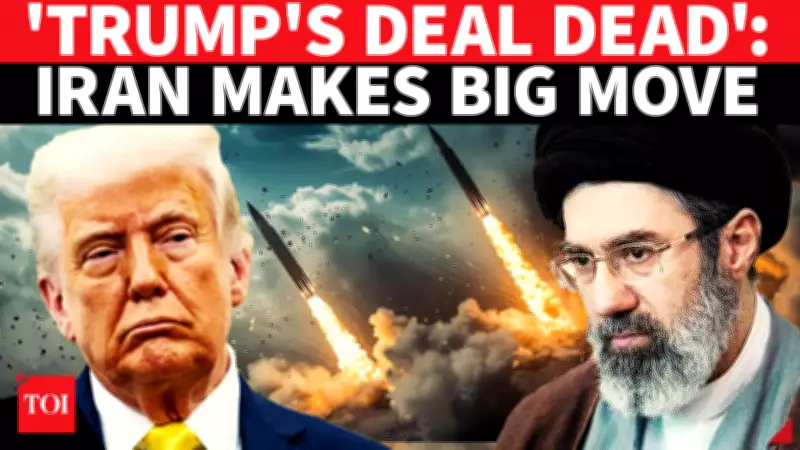
Are the United States and Iran heading toward a more dangerous confrontation? Iran on Monday suspended all negotiations with the United States mediated by Pakistani negotiators, signaling a significant setback for diplomatic efforts. According to Iranian media, Tehran cited ongoing Israeli military operations in Lebanon and Gaza as key reasons for halting the talks, arguing that conditions linked to a ceasefire agreement have not been met.
Reasons for Suspension
Iranian officials have emphasized that the suspension is directly tied to the failure of ceasefire conditions in the region. The Israeli operations in Lebanon and Gaza have been a major point of contention, with Tehran insisting that these actions violate the terms under which negotiations were initiated. The decision to halt talks came after a review of the current geopolitical landscape, which Iran deems unfavorable for constructive dialogue.
Strait of Hormuz Warning
In addition to suspending talks, Iranian officials have issued warnings regarding the Strait of Hormuz, a critical chokepoint for global energy supplies. Tehran has stated that measures could be taken to protect its national security interests, though specific actions have not been detailed. The Strait of Hormuz is one of the world's most important energy corridors, and any disruption could have significant implications for global oil markets.

The suspension of talks and the threat to the Strait of Hormuz come amid heightened tensions between Iran and the United States. The US has been pushing for a diplomatic resolution, but Iran's latest move suggests a hardening of positions. Analysts warn that this could lead to a more dangerous phase in the already volatile relationship between the two nations.
Regional Context
The Israeli military operations in Lebanon and Gaza have been ongoing, drawing widespread international concern. Iran, a key supporter of groups in both regions, has consistently condemned these operations. The suspension of talks with the US is seen as a direct response to what Iran perceives as American complicity in Israeli actions.
Tehran has also expressed frustration with the lack of progress on broader ceasefire agreements. The conditions set for the talks have not been met, according to Iranian officials, leading to the current impasse.
Potential Implications
The suspension of negotiations could have far-reaching consequences. Diplomatic efforts to de-escalate tensions in the Middle East may be set back, and the risk of military confrontation could increase. The Strait of Hormuz warning is particularly concerning, as any disruption to shipping through the strait could trigger a spike in oil prices and global economic instability.
International observers are closely monitoring the situation, with many urging restraint from all parties. The United States has not yet officially responded to Iran's suspension of talks, but it is expected to seek alternative diplomatic channels.
As the situation develops, the world watches to see whether diplomatic efforts can be revived or if the region is headed for a more dangerous conflict.