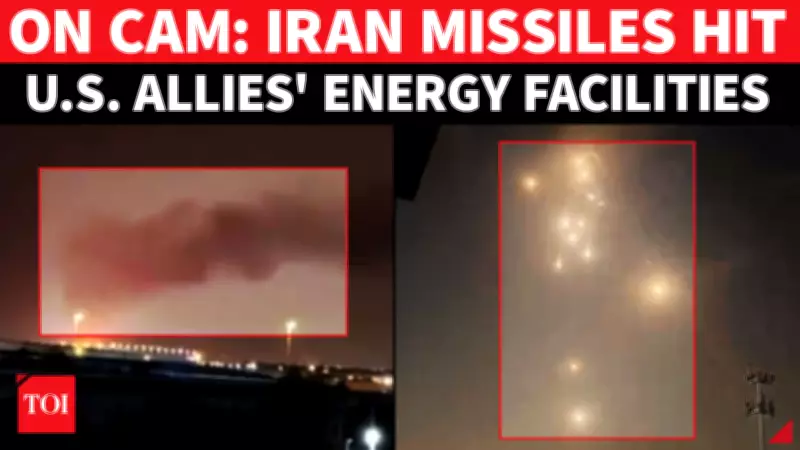
Iran Executes Major Retaliatory Strikes on US-Backed Energy Infrastructure
The Islamic Republic of Iran has launched a significant wave of ballistic missile attacks targeting American-linked oil and gas facilities across the Middle East, marking a dramatic escalation in regional hostilities. According to official statements from Tehran, this represents the 63rd wave of such strikes directed at US and Israeli interests in the area.
Retaliation for Senior Official Assassinations
The Islamic Revolutionary Guard Corps (IRGC) claimed responsibility for the coordinated assaults, stating they were carried out as direct retaliation for the recent killings of high-ranking Iranian officials. Among those named was Intelligence Minister Esmail Khatib, whose death has sparked fury within Iran's leadership circles.
Iranian authorities confirmed that their precision strikes successfully ignited fires at multiple oil installations described as having direct ties to American financial and strategic interests. The attacks reportedly affected facilities in three different nations, though specific locations were not immediately disclosed for security reasons.

Warning of Further Escalation
Tehran issued a stern warning following the operations, indicating that even more severe military actions would follow if attacks against Iranian interests continue. This threat comes amid heightened tensions between Iran and Western powers over energy security in the strategically vital Persian Gulf region.
The strikes represent what Iranian media has characterized as giving adversaries "a taste of their own medicine" - a clear reference to previous attacks on Iranian infrastructure and personnel. This latest development threatens to destabilize global energy markets and could potentially trigger broader conflict in an already volatile region.
Regional Energy Security at Risk
The targeted facilities include some of the Middle East's most critical energy infrastructure, with reports indicating damage to:
- Oil refineries with American investment ties
- Natural gas processing plants
- Export terminals serving global markets
- Storage facilities for crude oil reserves
This aggressive military action follows a pattern of escalating confrontations between Iran and Western-aligned forces in the region. The IRGC has previously targeted shipping near the United Arab Emirates and issued direct warnings to US allies in the Arab world about potential "deadly strikes" if they intervene in regional conflicts.
As global powers monitor the situation, concerns grow about the potential for these strikes to disrupt international energy supplies and further inflame geopolitical tensions that have been simmering for years. The international community now faces the challenge of responding to this significant escalation while preventing a full-scale regional war.