

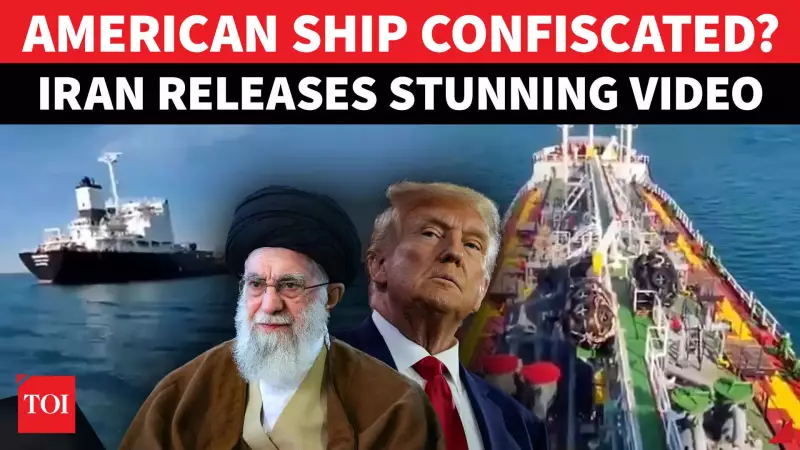
In a dramatic escalation of maritime tensions, Iranian forces have seized an oil tanker in the strategic waters of the Persian Gulf. The Islamic Republic has accused the vessel of smuggling a massive four million litres of fuel. As part of the operation, sixteen non-Iranian crew members have been detained by Tehran's authorities.
The Seizure and Tehran's Accusations
The incident, which occurred recently, saw Iranian forces board and take control of the tanker. Iranian officials have publicly stated that the vessel was involved in the illegal export of Iranian fuel. While Tehran has been firm in its smuggling allegations, international reports circulating suggest a potential link between the seized ship and an American businessman, adding a layer of geopolitical complexity to the event.
A Pattern of Gulf Confrontations
This latest seizure is not an isolated event. It forms part of a series of similar Iranian operations targeting commercial vessels in the Persian Gulf and the nearby Gulf of Oman over recent times. These actions have repeatedly heightened fears over the security of one of the world's most critical oil shipping lanes.

Global Oil Tensions Spill Over
The standoff in the Persian Gulf coincides with another major maritime incident on the other side of the world. Just days earlier, the United States detained the supertanker Bella One near Venezuela, citing violations of international sanctions. This parallel action by Washington underscores a growing global flashpoint centred on energy, sanctions enforcement, and control over key maritime routes.
The simultaneous crises in the Persian Gulf and the Caribbean Sea have drawn intense global attention. Analysts view these events as symptomatic of escalating tensions over energy resources, international sanctions regimes, and regional dominance. The situation remains fluid, with the potential to impact global oil markets and international diplomatic relations.






