

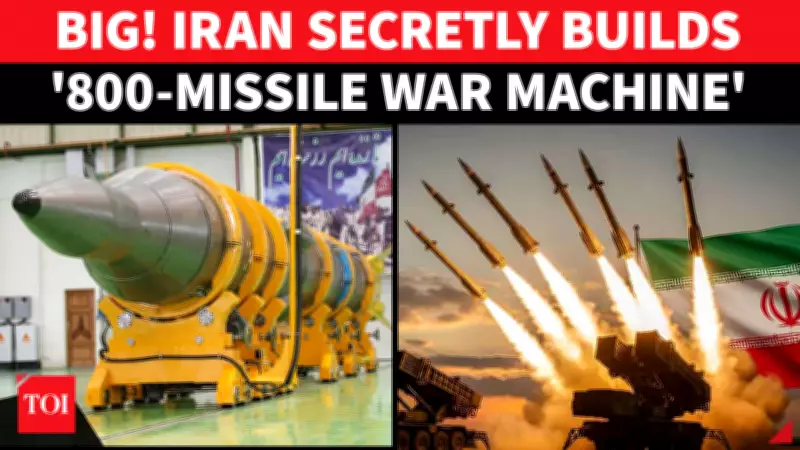
Iran's nuclear and missile standoff with the United States may be entering a far more explosive phase, according to recent reports. Iranian-linked entities ordered massive quantities of missile fuel chemicals capable of supporting hundreds of ballistic missiles, even while negotiations with Washington were ongoing, as cited by Anadolu Agency and regional media.
Secret Preparations Amid Talks
The revelations suggest that Iran was quietly building an arsenal of up to 800 missiles while engaging in diplomatic discussions. This dual-track approach has raised alarms among US and allied intelligence agencies, who now question Tehran's commitment to a peaceful resolution.
Khamenei Refuses to Hand Over Uranium
In a separate development, Al Arabiya reports that Mojtaba Khamenei, son of Iran's Supreme Leader, has refused to hand over Iran's highly enriched uranium stockpile to the United States. This move signals a hardening of Iran's position and complicates ongoing negotiations.

Sources close to the talks now warn that discussions are deadlocked, and the risk of military conflict has increased significantly. One source stated that conflict could erupt 'at any moment.'
Regional and Global Implications
The standoff has drawn in key players, including Israel, which has long warned of Iran's missile capabilities. The United States has maintained a强硬 stance, while Iran has vowed revenge for any strikes. The situation remains highly volatile, with both sides preparing for potential escalation.
Analysts note that the missile fuel chemicals ordered are dual-use, but the quantities involved strongly suggest military intent. The revelation comes amid heightened tensions in the Middle East, where proxy conflicts and direct confrontations have become more frequent.
What Lies Ahead?
With talks stalled and military posturing intensifying, the international community watches closely. Diplomatic efforts continue, but the window for a peaceful resolution appears to be narrowing. Iran's refusal to compromise on its nuclear and missile programs, combined with its clandestine preparations, has pushed the region to the brink.
As the situation evolves, all eyes are on Washington and Tehran to see if a last-minute deal can avert a broader conflict. For now, the threat of war looms large.






