

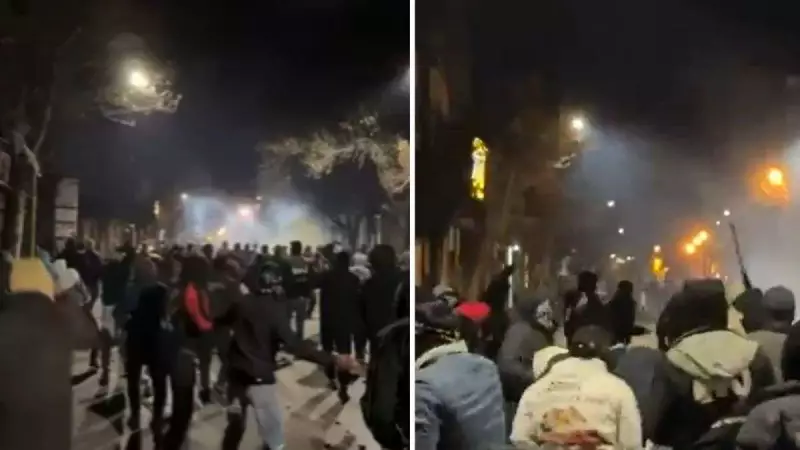
Iran has been rocked by a fresh wave of widespread protests, sparked by a severe economic crisis that has left citizens struggling with soaring prices and unemployment. The unrest, which began in early January 2026, has reportedly led to the deaths of at least seven people as demonstrations spread across multiple cities.
Roots of the Discontent: A Failing Economy Ignites Anger
The core trigger for the latest round of demonstrations is the country's dire economic situation. Citizens are grappling with skyrocketing inflation, a currency that has plummeted in value, and chronic shortages of essential goods. This economic pressure has pushed public frustration to a boiling point, leading to spontaneous gatherings and calls for change. The protests signify a deep-seated anger over living standards and governance, echoing sentiments from previous waves of unrest.
According to reports, the protests ignited in several provinces before gaining momentum and reaching the capital, Tehran. The demonstrations, while economically motivated, have also seen chants reflecting broader political grievances against the establishment. The government's handling of the economy, coupled with ongoing international sanctions, has created a perfect storm of public dissent.

Escalation and Official Response
The situation escalated rapidly as security forces were deployed to contain the protests. Clashes between demonstrators and law enforcement resulted in at least seven fatalities, with many more injured. Authorities have acknowledged the deaths but have attributed them to what they describe as "rioters" and foreign-backed "terrorist groups" attempting to destabilize the nation.
Internet disruptions and restrictions on social media platforms, a common tactic during periods of unrest in Iran, were observed, making it challenging to verify information from the ground independently. Government spokespersons have condemned the violence and accused outside forces, without providing specific evidence, of fueling the chaos to undermine Iran's sovereignty.
A Pattern of Protest and the Shadow of Mahsa Amini
This new unrest unfolds against the backdrop of Iran's recent history of mass protests, most notably the nationwide movement triggered by the death of Mahsa Amini in September 2022. The 22-year-old woman died in the custody of the morality police, leading to months of demonstrations under the slogan "Woman, Life, Freedom." While the current protests are primarily driven by economic hardship, the underlying demands for fundamental freedoms and accountability connect them to the enduring legacy of the Amini protests.
The international community has begun to react to the latest developments. Human rights organizations have called for restraint and an independent investigation into the deaths. World governments are monitoring the situation closely, concerned about further instability in the region. The protests highlight the persistent and multifaceted challenges facing the Iranian leadership, from a crippled economy to demands for social and political reform.
As the situation remains fluid, the key points to note are the economic origins of the protests, the tragic loss of life, the government's blame on external actors, and the connection to a longer history of public dissent in the country. The coming days will be crucial in determining whether the authorities can quell the unrest through security measures or if the economic pressures will continue to fuel public anger.






