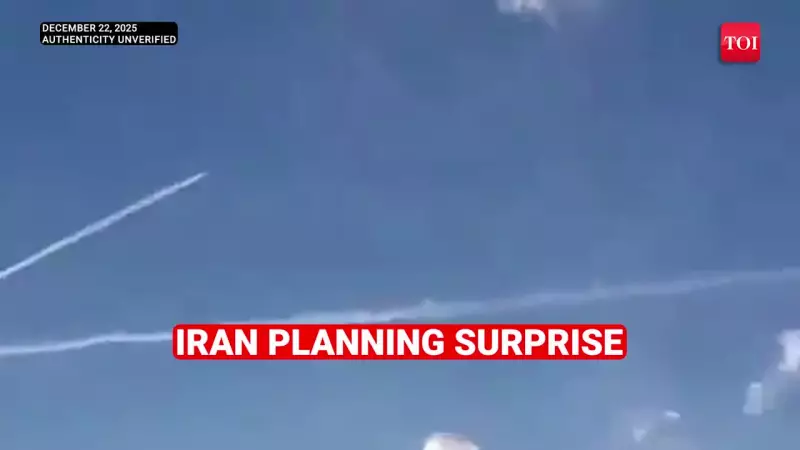
In a move that has heightened regional tensions, Iran conducted a significant missile drill on Monday, launching tests across several locations including its capital, Tehran. This military exercise comes shortly after Israeli officials reportedly conveyed urgent concerns to the administration of former US President Donald Trump, warning that such tests could be a precursor to an attack on Israel.
Missile Tests and Sovereignty Claims
According to reports from Iranian state media, the missile tests were carried out by the nation's military on December 23, 2025. Iranian authorities have consistently maintained that their weapons development program is purely defensive, aimed at protecting national sovereignty and territorial integrity. The drill showcased the country's missile capabilities at a time of heightened geopolitical friction.
Israeli Alarm and Warnings to Washington
The timing of the tests has set off alarm bells in Israel. Senior Israeli officials have reportedly communicated to the Donald Trump administration that Tehran might use the cover of a routine military exercise to launch a surprise attack against Israeli targets. This frantic message underscores the deep-seated anxieties in Jerusalem regarding Iran's expanding missile arsenal and its potential offensive use.

The Israeli warning suggests a belief that Iran's actions go beyond a simple show of force. The view from Tel Aviv is that these drills could serve as operational preparation, masking the mobilization for an actual strike. This intelligence was shared with American counterparts to prompt a coordinated and vigilant response.
Broader Implications and Regional Standoff
This incident adds another layer of complexity to the already volatile situation in the Middle East. The missile tests and the subsequent warnings highlight the ongoing shadow war and the constant risk of a direct military confrontation. The involvement of the US, albeit under a previous administration, points to the enduring strategic partnership between Washington and Jerusalem in countering Iranian influence.
The development forces a renewed focus on Iran's ballistic missile program, which has been a point of contention in international diplomacy for years. Despite the defensive claims from Tehran, neighboring states and global powers view the advancement of this technology as a significant threat to regional stability.
As both sides monitor each other's moves closely, the region remains on edge. The missile drill near Tehran is not just a display of military hardware but a potent symbol of the unresolved conflicts and mutual distrust that define the current geopolitical landscape in the Middle East.