

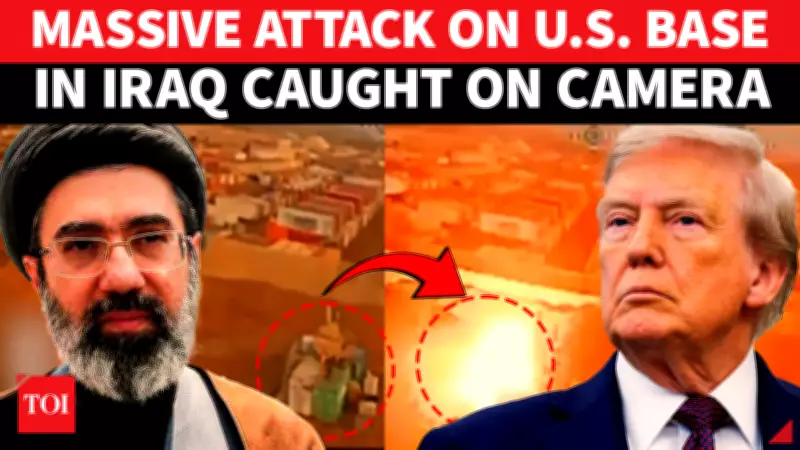
Iran's IRGC Launches Fresh Missile Strikes Targeting US Forces in Iraq
In a significant escalation of regional tensions, Iran's Islamic Revolutionary Guard Corps (IRGC) has executed new missile strikes aimed at US military personnel and Israeli-linked networks within Iraq's Kurdistan region. This aggressive move underscores a dangerous intensification of the proxy war, with Tehran asserting it successfully targeted a critical American command hub. Concurrently, the Iraqi militant group Saraya Awliya al-Dam has claimed responsibility for conducting an astonishing 136 operations against US interests over the past three weeks, highlighting the rapid proliferation of hostilities.
Surge in Attacks Follows US Strikes on Iran-Backed Forces
The recent surge in violence is a direct response to earlier US military actions that targeted Iran-backed Popular Mobilisation Units (PMU) in Iraq. These strikes resulted in the deaths of at least 15 fighters, including prominent commander Saad Daway, prompting swift and severe retaliation. Reports indicate a sharp increase in attacks, with 23 incidents recorded within a mere 24-hour period, signaling a relentless cycle of violence that threatens to spiral out of control.
As former US President Donald Trump advocates for strategies to dismantle Iran's regional network, Iraq is increasingly emerging as the epicenter of a broadening conflict. The nation's strategic importance has transformed it into a primary battleground, where proxy forces and international powers clash, exacerbating instability across the Middle East.

Regional Implications and Escalating Tensions
The missile strikes by Iran's IRGC not only target US military assets but also aim to disrupt Israeli-linked operations, reflecting Tehran's broader geopolitical ambitions. This development raises alarms about the potential for further escalation, as retaliatory measures could trigger a wider regional war involving multiple state and non-state actors. The involvement of groups like Saraya Awliya al-Dam underscores the complex web of alliances and hostilities that define the current conflict landscape.
With Iraq at the heart of this turmoil, the international community watches closely as the proxy war expands, posing significant risks to global security and regional stability. The rapid succession of attacks and counterattacks highlights the urgent need for diplomatic interventions to prevent a full-scale confrontation.






