Iranian Missile Strikes Unleash Chaos in Israel's 'Little India' Town of Dimona
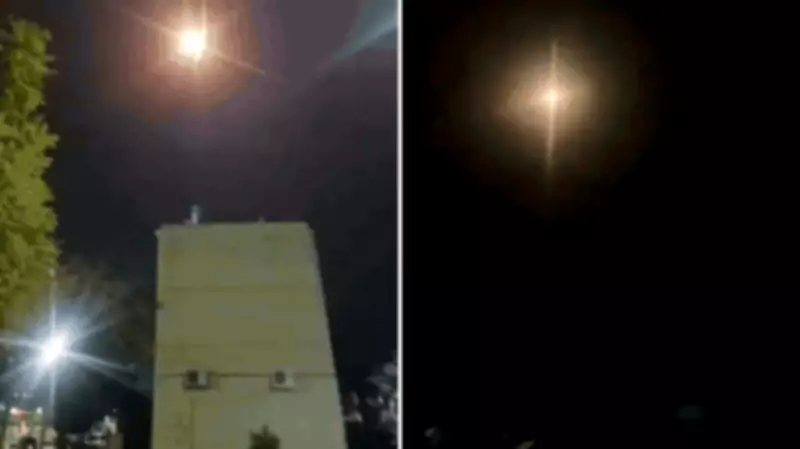
Iranian missile strikes on southern Israel have triggered scenes of devastation and panic in the town of Dimona, a community famously nicknamed "Little India" due to its large population of Indian-origin residents. Videos circulating online captured the terrifying moment a ballistic missile tore through residential areas, causing widespread damage and injuries.
Extensive Damage and Dozens Injured in Direct Hits
At least 47 people were injured in Dimona after a missile carrying a heavy warhead struck a community building, severely damaging nearby homes and igniting fires. Among the wounded was a 12-year-old boy in serious condition after being hit by shrapnel, while dozens of others suffered minor injuries or trauma as they rushed to shelters. Emergency responders described "extensive damage and chaos", with footage showing buildings ablaze and debris scattered across streets.
Hours later, a second missile struck the nearby city of Arad, compounding the destruction. Across both cities, more than 100 people were injured, including children, with several in serious condition. Israeli authorities confirmed that air defence systems attempted to intercept the missiles but failed, resulting in direct hits that caused significant structural harm.

Dimona: A Cultural Hub with Deep Indian Roots
Dimona, home to Israel’s nuclear research facility, has long been known as "Little India" because of its strong Indian-Jewish community, many of whom trace their roots to Maharashtra. The town’s streets are lined with Indian shops, Marathi is widely spoken, and cultural ties with India remain deeply embedded, making the attack particularly poignant for residents.
Political Fallout and International Condemnation
Prime Minister Benjamin Netanyahu described it as a "very difficult evening", saying he had spoken to Arad’s mayor and ordered full government support for those affected. "We are determined to continue to strike our enemies on all fronts," he stated, while urging civilians to follow safety instructions.
Israel’s Foreign Ministry accused Iran of deliberately targeting civilians, calling the strikes "a blatant war crime" and "pure terrorism". Opposition leaders, including former prime ministers, expressed solidarity with residents, describing the attacks as a "great disaster".
Iran, however, claimed the strike on Dimona was a response to an earlier attack on its Natanz nuclear facility, although Israel denied involvement in that incident. The UN’s nuclear watchdog confirmed it had no indication of damage to Israel’s nuclear site but called for "maximum military restraint" to avoid further escalation.
Investigation Launched into Interception Failure
The Israeli military has launched an investigation into the interception failure, stating that the incident "will be investigated". Officials confirmed that interceptors were deployed but did not successfully neutralise the incoming threats, raising concerns about defence capabilities.
In related developments, over 20 nations issued a joint statement condemning Iran's de facto closure of the Hormuz Strait, while missiles were fired toward Diego Garcia, prompting the US to rush Marines and warships in response. These events underscore the heightened tensions in the region, with global powers closely monitoring the situation.