Iranian Ballistic Missile Attack Claims Lives in Central Israel
In a significant escalation of regional tensions, an Iranian ballistic missile strike targeted central Israel early on March 18, 2026, resulting in the tragic deaths of two individuals and causing one minor injury. The attack has prompted immediate emergency responses and heightened security measures across the affected areas.
Casualties and Immediate Response
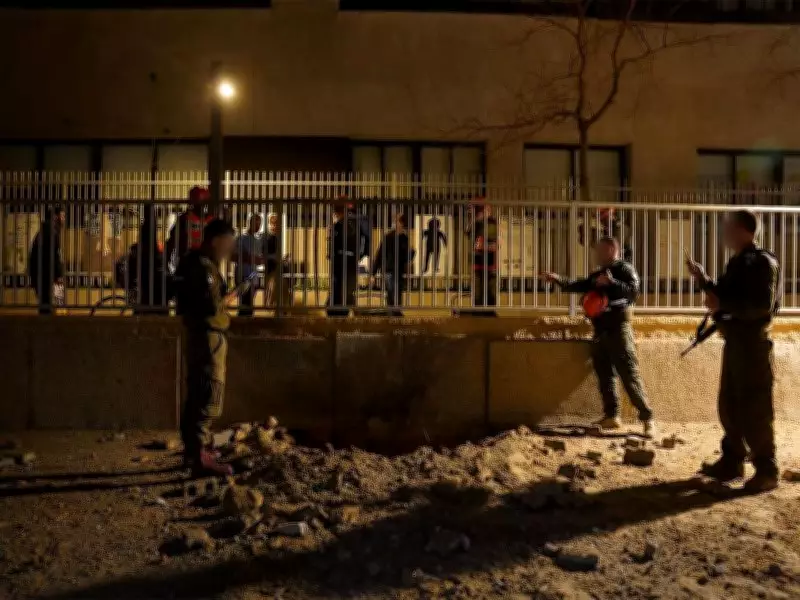
According to reports from Magen David Adom (MDA), Israel's national emergency medical service, paramedics rushed to the scene in Ramat Gan, a city in the central region. There, they declared a man and a woman deceased after both sustained severe shrapnel injuries from the missile impact. The victims were pronounced dead at the site, underscoring the lethal nature of the assault.
In a related incident, shrapnel from the same missile also struck Beni Brak, located just north of Tel Aviv, lightly injuring one person. MDA officials confirmed this additional casualty, highlighting the widespread reach of the attack's debris.

Home Front Command Issues Critical Guidelines
The Israel Home Front Command has been actively involved in managing the aftermath, with rescue and salvage forces—both regular and reserve units—deploying to multiple impact sites in the central region. In a statement shared on social media platform X, the Israel Defense Forces emphasized the importance of public adherence to safety alerts and guidelines, which have proven lifesaving during ongoing hostilities.
The Home Front Command urged residents to remain vigilant and follow all official instructions, including exiting protected spaces only when permitted. They also advised avoiding gatherings in affected areas to facilitate rescue operations and ensure public safety.
IDF Launches Counterstrikes in Lebanon
In response to the attack, the Israel Defense Forces have intensified their military operations, carrying out a series of airstrikes targeting Hezbollah rocket launchers and operatives across Lebanon. This action is part of the ongoing Operation "Roaring Lion," aimed at disrupting and thwarting fire toward Israeli territory.
Since the start of this operation, the IDF has struck hundreds of Hezbollah rocket launchers, as stated in an official post on X. The military's efforts focus on eliminating threats to Israeli citizens and maintaining security in the region.
International Context and U.S. Involvement
The incident occurs amidst broader geopolitical developments, including statements from the United States Department of War, which claimed to be executing orders from President Trump under "Operation Epic Fury" to decimate Iran's military capabilities. Additionally, U.S. Central Command reported conducting strikes using deep penetrator munitions on hardened Iranian missile sites near the Strait of Hormuz, targeting anti-ship cruise missiles that posed risks to international shipping.
U.S. Navy Admiral Brad Cooper highlighted in a video message that American forces have flown over 6,000 combat flights, demonstrating air superiority over Iranian skies as part of these operations.
Ongoing Security Concerns
This attack underscores the volatile security situation in the Middle East, with ballistic missile threats posing direct risks to civilian populations. The Israel Home Front Command continues to monitor the situation closely, providing updates and guidance to ensure public safety. Residents are encouraged to stay informed through official channels and comply with all emergency protocols.
As developments unfold, the international community watches closely, with implications for regional stability and global diplomacy. The loss of life in this incident serves as a stark reminder of the human cost of conflict in the area.