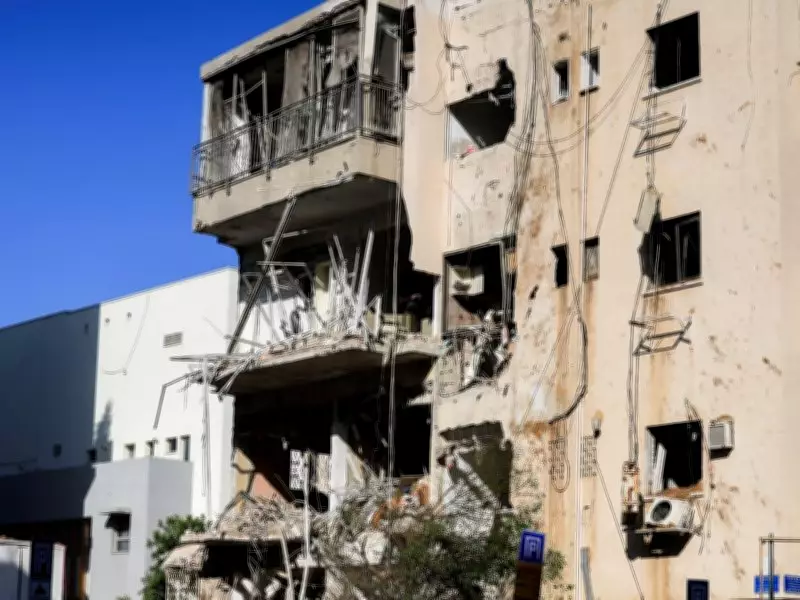
Six Injured in Tel Aviv After Iranian Missile Strike
Six individuals sustained light injuries on Tuesday following an Iranian missile attack that struck central Tel Aviv, as reported by the Times of Israel. The munition, carrying approximately 100 kilograms of explosives, caused significant damage to multiple buildings and vehicles in the area. Missile debris also impacted Rosh Ha'ayin, located east of Tel Aviv, according to police sources cited by Channel 12.
Regional Escalation and Retaliatory Campaigns
In a related development, Iran's Islamic Revolutionary Guard Corps (IRGC) announced the 78th wave of its retaliatory campaign, dubbed "Operation True Promise 4." This phase targeted Israeli sites, including highly sensitive locations such as Dimona, Tel Aviv, and Eilat, as well as several United States military bases across the region. Press TV described this as a significant escalation, with missiles launched amid large rallies in Iran where millions expressed support for the government.
Meanwhile, tensions continue to rise across West Asia and the Gulf region. Al Jazeera Breaking reported an Israeli attack on a petrol station in southern Lebanon, triggering a massive explosion and fire. The Israeli army has issued displacement orders to residents in the affected areas.

Infrastructure Damage and Humanitarian Concerns
The conflict has led to widespread infrastructure damage beyond Israel. In Kuwait, seven overhead power transmission lines went out of service early Tuesday due to shrapnel from air defense systems intercepting missiles, causing partial power outages in some regions, as stated by the Ministry of Electricity, Water and Renewable Energy.
Additionally, a Human Rights Watch report claimed that Iranian forces appeared to deliberately target at least two civilian commercial ships in and around the Strait of Hormuz on March 11, actions that could constitute war crimes. This intensifies concerns over global energy security, with supply bottlenecks and damaged infrastructure affecting the region.
Background and Ongoing Conflict
The security situation in West Asia and the Gulf has been evolving rapidly since the US and Israel launched military operations Epic Fury and Roaring Lion against Iran. These strikes resulted in the deaths of key Iranian leaders and have since seen attacks on military assets and energy infrastructure. Now in its fourth week, the conflict's impact is felt regionally and globally, with heightened tensions around the Strait of Hormuz raising alarms over energy stability.
As the situation develops, reports indicate that Imam Ali Hospital in Andimeshk has been evacuated and is no longer operational after direct attacks by the US and Israel, according to Press TV. The ongoing hostilities underscore the volatile nature of the region, with no immediate resolution in sight.