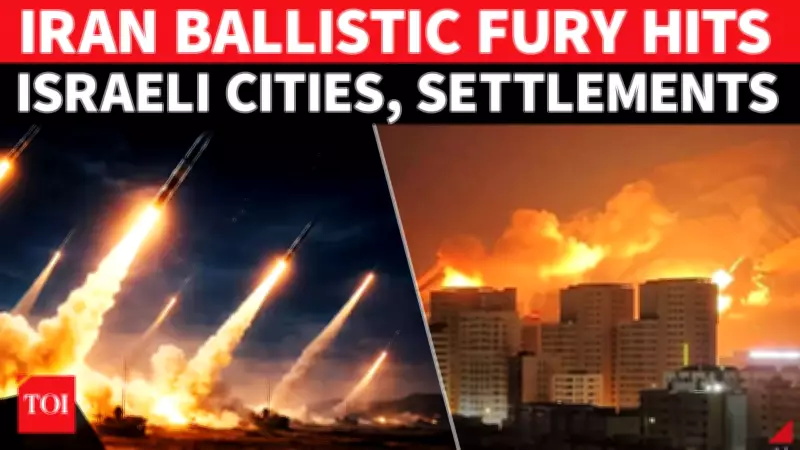
Iran Unleashes Ballistic Missile Barrage on Israel, IDF Responds with Force
In a dramatic escalation of regional hostilities, Iran launched a fresh ballistic missile attack on Israel in the early hours of Tuesday, March 10, 2026. The assault triggered air raid sirens across extensive areas of northern and central Israel, prompting millions of residents to seek immediate shelter as emergency warning systems activated nationwide.
Widespread Alert and Shelter Protocols Activated
Israeli authorities confirmed that a limited but significant number of ballistic missiles were fired from Iranian territory, targeting multiple locations within Israel. The attack caused immediate activation of the country's sophisticated air defense networks and emergency protocols. According to official statements, residents in northern communities and central regions received urgent alerts to move to protected spaces as the missile threat unfolded in real-time.
Simultaneously with the Iranian missile launch, rocket fire originating from Lebanon targeted the Kiryat Shmona area near Israel's northern border. This coordinated attack prompted additional sirens and reinforced the multi-front nature of the security threat facing Israel. Israeli defense forces are investigating potential connections between the Iranian missile strike and the Lebanese rocket fire.

Initial Damage Assessment and Medical Reports
Israeli medical services provided preliminary assessments indicating no immediate reports of direct missile impacts or injuries resulting from the Iranian ballistic missile barrage. This suggests that Israel's missile defense systems may have successfully intercepted some of the incoming projectiles, though official confirmation of interception rates remains pending.
The absence of initial casualty reports does not diminish the severity of the attack, which represents one of the most significant direct missile assaults from Iran against Israeli territory in recent years. The psychological impact on the Israeli population, with millions forced into shelters during the attack, constitutes a substantial element of this military escalation.
Israeli Defense Forces Launch Immediate Retaliation
In response to the Iranian missile attack, the Israel Defense Forces (IDF) executed coordinated counterstrikes against Iranian military positions and infrastructure. While specific targets remain classified, military analysts suggest the retaliation likely focused on Iranian missile launch sites, command centers, and weapons storage facilities involved in the attack.
The IDF has maintained a heightened state of alert since the attack commenced, with air defense systems remaining active and combat units positioned for potential further escalation. Israeli military officials have emphasized their commitment to protecting Israeli sovereignty and indicated that additional responses may be forthcoming depending on Iranian actions.
Regional Context and Escalating Tensions
This direct missile exchange between Iran and Israel occurs against a backdrop of intensifying regional conflicts and proxy warfare. Recent months have witnessed multiple incidents involving Iranian-backed forces targeting Israeli and American interests throughout the Middle East, creating a volatile security environment.
The attack follows a pattern of escalating rhetoric and military posturing between Tehran and Jerusalem, with both nations accusing the other of aggressive actions threatening regional stability. International observers express concern that this direct missile exchange could trigger broader regional conflict involving multiple state and non-state actors.
As the situation continues to develop, Israeli authorities maintain emergency protocols while assessing the full implications of this significant security event. The international community watches closely as one of the Middle East's most dangerous fault lines experiences renewed military confrontation with potentially far-reaching consequences.