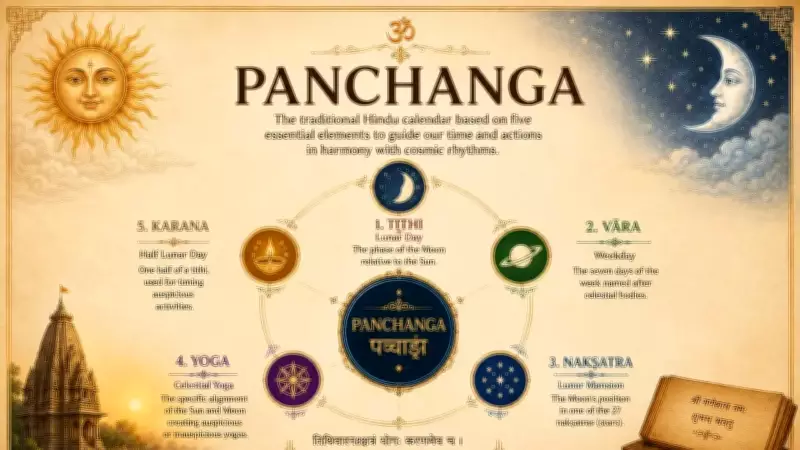
Panchang Today serves as a daily guide based on the Hindu calendar's time-tested wisdom and the Moon's changing phases. It helps plan meetings, studies, or maintaining home harmony with precision rather than panic. Aaj Ka Panchang also connects you to cultural roots, making choices mindful instead of rushed. On June 11, 2026, energies shift like a river meeting a new bend, with a Nakshatra change and Moon sign change early in the day. Below are the important Panchang details for India.
Date and Day Details
Thursday arrives with Krishna Paksha 11 (Ekadasi) running strongly through the day, ending at 22:36:17, then moving to Krishna Paksha 12 (Dvadasi). Ekadasi is not just a date on the calendar but a mental cleanup day. The waning Moon in Krishna Paksha encourages pruning, letting go, and simplifying. Think of it like trimming a plant for fresh growth. Activities that thrive under Ekadasi include spiritual practice, decluttering, reducing digital noise, and finishing pending tasks without starting new ones. Intention matters more than display; quiet discipline beats loud effort.
Nakshatra and Moon Sign
The Nakshatra begins in Revati and ends at 08:16:18, after which Ashwini takes over. Revati, guided by Pushan, carries the feeling of safe travel, nourishment, protection, and gentle completion. It supports wrapping up, guiding others, caring for health routines, and doing work requiring patience rather than speed. Then comes Ashwini, the domain of the Ashwini Kumaras, swift healers and quick starters. The day has a clear hinge: before 08:16:18, finish and settle; after 08:16:18, initiate but keep it clean and simple because Ekadasi still asks for restraint.

The Moon sign is Pisces 28.8 at first, transitioning at 08:16:18 to Aries. Pisces brings softness, imagination, and empathy, making you more porous to others' moods in the morning. Aries after 08:16:18 pushes courage and direct action. The trick is not to become impatient. Use that Aries spark to take the first step, make the call, send the email, begin the workout, but do not pick fights.
Yoga and Karan
Yoga is Sobhana until 01:00:03, then Atiganda follows. Sobhana supports pleasant outcomes, social ease, and beautifying tasks, whether improving a presentation or repairing a relationship. Atiganda can feel like a thorny patch where small things irritate or plans get delayed, so keep expectations flexible late night onward. In Karan, Bava lasts until 11:52:12, and Balava lasts until 22:36:17. Both are practical, good for steady efforts and structured routines, suiting Ekadasi's disciplined tone.
Auspicious Timings (Shubh Muhurat)
The day begins with Brahma Muhurta from 03:44:30 to 04:25:46, a quiet stretch when the mind is less cluttered and prayers land softly. If you have been meaning to restart japa, meditation, or a simple reading habit, this is your best opening. It is also ideal for writing down priorities, as you will hear your own thoughts.
Pratah Sandhya runs from 04:05:08 to 05:07:02, perfect for Surya arghya, a short walk, and setting a calm tone at home. Even a few minutes of sincere practice can steady the whole day.
Abhijit Muhurta comes from 11:30:10 to 12:24:54. If you must do something important, like submitting an application, making a respectful request, presenting an idea to seniors, or starting an exam revision session, this is a reliable window supporting clean decisions and timely support.
Vijay Muhurta is from 14:14:22 to 15:09:06, good for competitive efforts, interviews, and pushing a stalled task forward. Keep your approach firm but not aggressive; win with clarity.
Sarvartha Siddhi Yoga lasts from 08:16:57 to 05:07:06 the next day, a broad supportive influence for meaningful work, especially health routines, disciplined study, and spiritual commitments.
Godhuli Muhurta appears from 18:48:19 to 19:08:57, and Sayahana Sandhya from 18:48:19 to 19:50:13, both lovely for lamp lighting, family prayer, and soothing the mind at day's end.
Late night holds Nishita Muhurta from 23:37:11 to 00:18:27, and Amrit Kalam from 23:48:39 to 01:17:23, suitable for deep prayer, quiet study, or a reset of intention.

From the Choghadiya context, daytime auspicious phases include Shubh at 05:06, Laabh at 11:57, Amrit at 13:39, and Shubh at 17:04. At night, Amrit at 18:47, Laabh at 23:57, Shubh at 26:32, and Amrit at 27:49. Use these for important calls, unavoidable payments, or beginning a focused work block.
Inauspicious Timings
Rahu Kalam today is from 13:39 to 15:22, specifically from 13:40:20 to 15:22:59. Rahu Kaal is a tricky stretch when confusion grows faster than clarity. Avoid signing new contracts, starting fresh ventures, or handling money matters and paperwork. Instead, chant the Rahu mantra "Om Raam Rahave Namaha", do breath work, and handle routine tasks like filing, cleaning your inbox, or revising notes.
Yamaganda runs from 05:07:02 to 06:49:41. Avoid launching something brand new in this slot, especially early morning travel decisions made in a rush.
Gulika Kaal is from 08:32:21 to 10:15:00, a period where delays can pop up. Keep buffers in your schedule and double-check what you carry before stepping out.
Dur Muhurtam comes twice, from 09:40:42 to 10:35:42 and again from 15:09:06 to 16:04:06. Treat these like pothole zones; avoid confrontational meetings, sensitive family discussions, or high-stakes negotiations. If you must attend a meeting, keep your tone simple and stick to facts.
Baana (Roga) from 08:28:02 to 05:07:06 the next day, and Panchaka from 05:07:02 to 05:07:06 the next day indicate a day where health and care need attention. Eat clean, do not overstrain, and avoid unnecessary risk.
Aadal Yoga runs from 05:07:02 to 08:15:57, another reminder not to rush the early hours.
Varjyam is from 02:49:28 to 04:17:19 the next day, so if awake late, skip important decisions in that stretch.
From Choghadiya, inauspicious periods include Rog at 06:49, Udveg at 08:32, and Kaal at 15:22 during the day, and Rog at 21:22, Kaal at 22:39, and Udveg at 25:14 at night. Keep these for routine chores, not bold beginnings.
Rahu Kaal Timings Across India
Rahu Kaal changes across India because it is calculated from local sunrise, which differs by longitude. The table below shows Rahu Kaal for major Indian cities, helping you match this sensitive period to your location before planning purchases, meetings, or travel.
- Mumbai: 14:17 - 15:56
- Delhi (NCR): 14:04 - 15:49
- Bengaluru: 13:55 - 15:31
- Hyderabad: 13:53 - 15:32
- Chennai: 13:44 - 15:21
- Ahmedabad: 14:20 - 16:01
- Pune: 14:12 - 15:51
- Kolkata: 13:16 - 14:57
- Jaipur: 14:09 - 15:52
- Kochi: 13:59 - 15:34
- Lucknow: 13:48 - 15:32
- Indore: 14:07 - 15:48
- Guwahati: 13:05 - 14:48
- Chandigarh: 14:07 - 15:52
- Surat: 14:18 - 15:58
- Visakhapatnam: 13:34 - 15:13
- Nagpur: 13:53 - 15:33
- Coimbatore: 13:56 - 15:32
- Varanasi: 13:39 - 15:22
- Bhubaneswar: 13:25 - 15:05
Sunrise, Sunset, Moonrise and Moonset
Sunrise is at 05:06:55 and sunset at 18:47:32. These are more than clock readings. Sunrise is your daily inner reset, a reminder that effort should begin with steadiness. If you can spare even ten minutes after waking, sit facing the light, sip warm water, and decide the one thing you will not compromise on today. Ekadasi supports that discipline.
Moonset is at 14:48:33, and moonrise is at 02:04:38 on June 12. With the Moon moving from Pisces into Aries at 08:16:18, emotions can shift from soft to sharp. You may feel dreamy in the morning, then suddenly ready to act after breakfast. Watch that transition. Use it well: let morning be gentle, avoid harsh words at home, then use the afternoon for action that needs courage, like asking for feedback, clearing a backlog, or starting a health routine.
Evening arrives with a calming rhythm. As daylight fades at 18:47:32, reduce screen time, keep dinner simple, and give the mind a quieter landing. A smoother night supports a better next day, especially under Ekadasi's cleansing pull.
Vrat or Festival Information and Recommendations
Ekadashi Vrat is observed today, a monthly vrat based on Krishna Paksha Ekadashi, the fortnightly fast dedicated to Lord Vishnu. This Ekadasi tithi stays active till 22:36:17, so the day carries a clear spiritual message: reduce excess, purify intention, and remember what sustains you. Vishnu worship on Ekadasi is often linked with stability in life, protection in uncertain phases, and a calmer mind.
Since the Hindu month is Adhik Jyeshtha (amanta), it is an "extra" month, a bonus stretch that tradition treats as especially suited for devotion, charity, and inner repair. People often use such a month to revisit stalled spiritual routines. Not grand, just steady. If you observe the fast, keep it according to your capacity and health. Some keep nirjala, some take fruits and milk, some keep one simple meal. The spirit matters, not showing off. Offer tulsi leaves if you have them, recite Vishnu Sahasranama if possible, or simply chant Vishnu naam with focus. Even a small daan, like grains, water, or supporting a needy person quietly, fits Ekadasi's heart.
For relationships, keep your speech gentle in the first half, especially before 08:16:18 when Revati and Pisces influence can make you extra sensitive. After the Moon moves to Aries at 08:16:18, you may feel blunt. Ask yourself: do I want to be right, or do I want peace? Choose peace. For work, use Abhijit Muhurta from 11:30:10 to 12:24:54 for submissions and approvals. Keep big financial decisions away from Rahu Kalam from 13:39 to 15:22. Your boss will notice quiet consistency today, especially if you clear one pending task without drama.
Spiritually, this Thursday can be very supportive if you keep a simple rhythm. Wake a little earlier if possible, use Brahma Muhurta from 03:44:30 to 04:25:46 for prayer or meditation, and light a lamp during Godhuli Muhurta from 18:48:19 to 19:08:57 to close the day with gratitude.
Actionable advice: Keep meals light, avoid starting anything risky during 13:39 to 15:22, and commit to one clear spiritual practice today, even if it is just 11 minutes of "Om Raam Rahave Namaha" and Vishnu naam before sleep.
Select The Times of India as your preferred source on Google Search.
Check Bihar 10th Result 2026 Here - Live Updates on BSEB Bihar Board 10th Result 2026
About the Author: AstroDevam is a premium organisation providing ancient and authentic knowledge of Astrology, Vastu, Numerology, and Innovative Corporate Solutions with a contemporary perspective. AstroDevam, having patrons in more than 100 countries, has been promoted by Achary Anita Baranwal and Achary Kalki Krishnan, who hold Master's Degrees in Astrology and have been teaching Scientific Astrology, Vastu, and Numerology for over three decades.