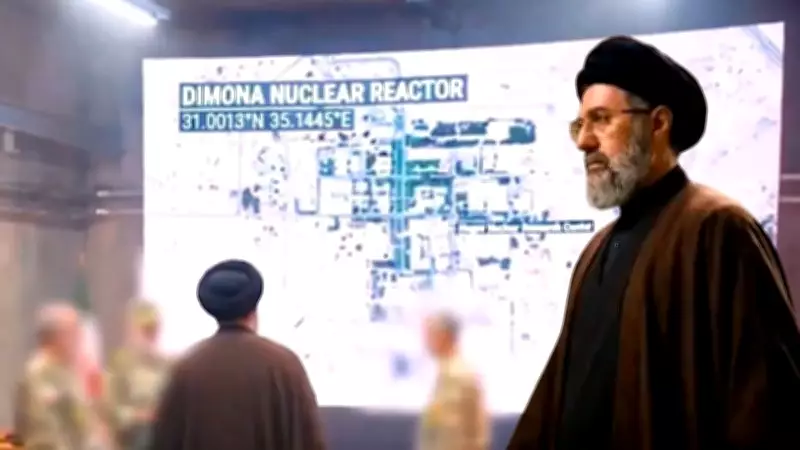
Iran-Israel-US Conflict: Is Supreme Leader Khamenei in a War Room?
Amid escalating tensions in the Middle East, reports have emerged suggesting that Iranian Supreme Leader Mojtaba Khamenei may be operating from a dedicated war room. This development comes as conflicts between Iran, Israel, and the United States intensify, raising critical questions about Iran's military preparedness and strategic decision-making processes.
Background of the Conflict
The geopolitical landscape in the region has been fraught with instability, with Iran and Israel engaging in a series of proxy wars and direct confrontations. The involvement of the United States, a key ally of Israel, has further complicated the situation, leading to a volatile triad of power dynamics. Recent military actions and diplomatic standoffs have heightened fears of a broader regional war, prompting scrutiny of leadership roles on all sides.
Khamenei's Alleged War Room
According to sources, Supreme Leader Khamenei is believed to be overseeing operations from a secure, fortified war room. This facility is reportedly equipped with advanced communication systems and strategic planning tools, enabling real-time monitoring of military activities and coordination with Iranian armed forces. The existence of such a war room underscores Iran's commitment to a robust defense posture in the face of external threats.

- Advanced surveillance and intelligence gathering capabilities.
- Direct lines of communication with military commanders and political leaders.
- Secure environment to ensure operational secrecy and continuity.
Implications for Regional Stability
The potential use of a war room by Khamenei signals a heightened state of alert within Iran's leadership. This move could indicate preparations for prolonged conflict or a strategic shift in how Iran manages its military engagements. Analysts suggest that such centralized command structures may lead to more coordinated and potentially aggressive responses to perceived threats from Israel and the US.
Experts warn that this development could escalate tensions further, as it reflects Iran's readiness to engage in sustained warfare.International Reactions
The international community has expressed concern over these reports, with many nations calling for de-escalation. The United States and Israel have closely monitored Iran's military movements, viewing the war room as a symbol of Iran's assertive stance. Diplomatic efforts are underway to prevent the conflict from spiraling into a full-scale war, but the situation remains precarious.
- Increased military patrols and surveillance by US and Israeli forces.
- Calls for dialogue and peace talks from global organizations.
- Economic sanctions and political pressure on Iran to curb its military activities.
Conclusion
As the Iran-Israel-US conflict continues to evolve, the alleged involvement of Supreme Leader Khamenei in a war room highlights the serious nature of the current crisis. While details remain unconfirmed, this report underscores the need for vigilant monitoring and diplomatic intervention to avert a larger catastrophe. The world watches closely as these powers navigate a delicate balance between aggression and restraint.