Iran-Israel Tensions Escalate: Global Markets and Oil Prices React
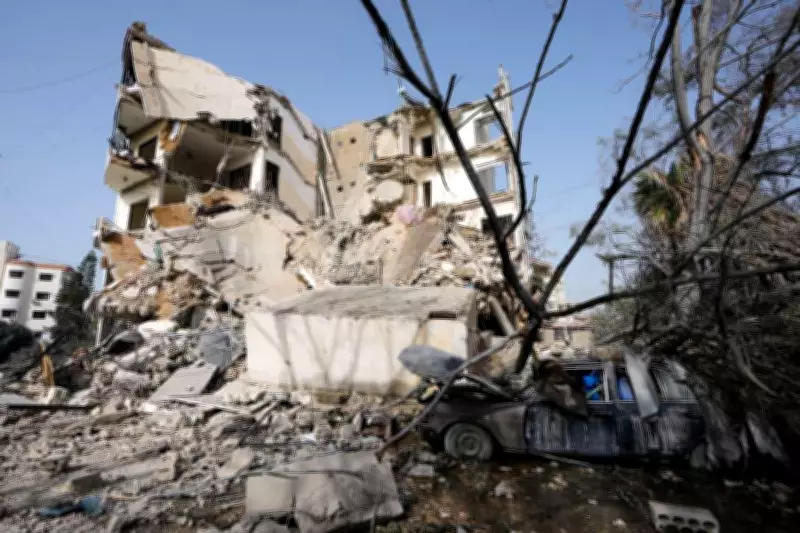
In a significant development, tensions between Iran and Israel have intensified, sending shockwaves through global financial markets and energy sectors. The conflict, centered in the volatile Middle East region, has prompted immediate reactions from international stakeholders, including the United States, as fears of a broader regional war grow.
Military Movements and Strategic Responses
The United States has deployed fighter jets to the area, a move aimed at deterring further aggression and securing critical maritime routes. The Strait of Hormuz, a vital chokepoint for global oil shipments, is under heightened surveillance, with concerns that any disruption could severely impact energy supplies worldwide. This military posture underscores the escalating nature of the conflict, which has drawn attention from global powers seeking to prevent an all-out war.
Economic Impacts and Market Volatility
The rising tensions have had a direct and immediate effect on global economies. Oil prices have surged in response to the uncertainty, as traders anticipate potential supply disruptions from the Middle East, a key oil-producing region. Concurrently, stock markets around the world have experienced volatility, with investors shifting to safer assets amid the geopolitical risks. This economic fallout highlights the interconnectedness of global markets with regional conflicts, where instability in one area can trigger widespread financial repercussions.

International Diplomacy and Regional Stability
Diplomatic efforts are underway to de-escalate the situation, with calls for restraint from various international bodies. The conflict not only threatens the immediate security of the Middle East but also poses risks to global peace and economic stability. The involvement of major powers like the United States adds a layer of complexity, as their actions could either mitigate or exacerbate the tensions. Observers are closely monitoring developments, as the outcome could reshape regional dynamics and influence international relations for years to come.
Future Outlook and Potential Scenarios
As the situation evolves, several potential scenarios are being considered by analysts:
- Further Military Escalation: If hostilities increase, it could lead to a full-scale conflict, with devastating consequences for the region and beyond.
- Diplomatic Resolution: Successful negotiations could ease tensions, stabilizing markets and reducing oil price pressures.
- Prolonged Uncertainty: A stalemate might result in ongoing volatility, affecting global economic growth and energy security.
The coming days will be critical in determining the path forward, with all eyes on the Middle East for updates.