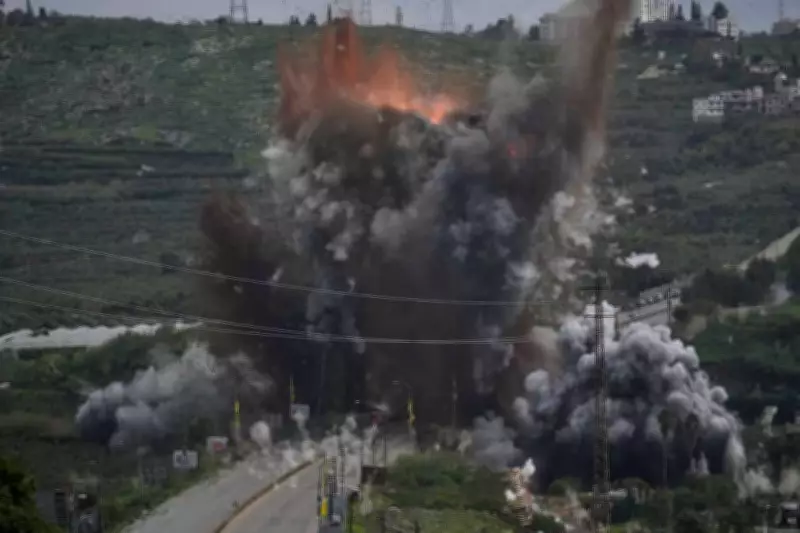
Iran-Israel Conflict Intensifies Amid Rising Middle East Tensions
The geopolitical landscape in the Middle East has been plunged into a state of heightened crisis as hostilities between Iran and Israel escalate dramatically. Recent missile attacks have resulted in significant casualties, with reports indicating a rising total of killings that underscore the severity of the conflict. The United States has been placed on high alert, closely monitoring developments that threaten to destabilize the region further.
Strait of Hormuz Becomes a Critical Flashpoint
One of the most concerning aspects of this crisis is the escalating tensions in the Strait of Hormuz, a vital maritime chokepoint for global oil shipments. Any disruption in this strategic waterway could have far-reaching implications for international trade and energy security. Regional powers, including Dubai and Qatar, are watching the situation with apprehension, as their economies are heavily dependent on stable maritime routes.
International Reactions and Diplomatic Maneuvers
Former US President Donald Trump and Israeli Prime Minister Benjamin Netanyahu have been vocal in their responses to the crisis. Trump has reiterated his stance on Middle East policy, while Netanyahu has emphasized Israel's right to defend itself against aggression. The international community is urging restraint, with calls for diplomatic solutions to prevent a full-scale war that could engulf the entire region.

Live Updates on Military Developments
Missile Attacks and Casualties: Recent exchanges of missile fire between Iran and Israel have led to a mounting death toll, with civilians and military personnel among the victims. The exact figures are being verified, but initial reports suggest a significant impact on both sides.
US Military Posture: The United States has increased its military readiness in the region, deploying additional assets to protect its interests and allies. This move aims to deter further escalation and ensure the safety of American personnel and assets.
Regional Implications: Countries across the Middle East, including those in the Gulf Cooperation Council, are assessing the potential fallout. The crisis has already caused fluctuations in global oil prices, highlighting the economic stakes involved.
Analysis of the Broader Conflict Dynamics
This conflict is not an isolated incident but part of a long-standing rivalry between Iran and Israel, fueled by ideological differences, proxy wars, and regional power struggles. The involvement of the United States adds another layer of complexity, as it navigates its alliances and strategic interests in the Middle East.
Experts warn that if the situation continues to deteriorate, it could lead to a broader regional war, with devastating humanitarian and economic consequences. The focus remains on diplomatic channels to de-escalate tensions and find a peaceful resolution to this escalating crisis.