

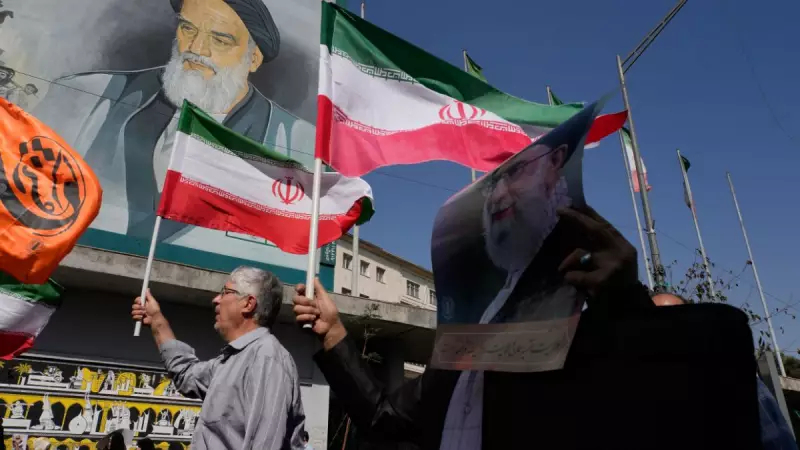
Iran has been hit by a significant and widespread internet blackout, with reports confirming severe disruptions in the capital Tehran and several other parts of the country. The outage coincides with renewed public protests, raising concerns about information suppression and civil unrest.
Widespread Disruption and Key Details
The internet blackout in Iran was first reported on the morning of January 8, 2026. According to global internet monitoring organization NetBlocks, the disruption began around 11:00 AM local time. The blackout is not isolated to Tehran; multiple provinces across Iran are experiencing similar severe connectivity issues, effectively cutting off large populations from global digital communication networks.
This event mirrors previous state-imposed internet shutdowns during periods of civil dissent. The timing is critical, as it aligns with reports of ardent public protests surfacing in various cities. The blackout primarily affects mobile data networks and home broadband, severely limiting citizens' ability to communicate, share information, or document events unfolding on the ground.

Context of Protests and Government Response
The protests prompting this drastic measure appear to be driven by longstanding socio-economic grievances and political discontent. While the exact triggers for the latest demonstrations are being obscured by the communication blackout, historical patterns suggest issues related to economic hardship, political freedoms, and civil rights are at the forefront.
The Iranian government has a documented history of implementing nationwide or regional internet blackouts during times of protest. This strategy is widely viewed by digital rights groups as a tool for quelling dissent and controlling the narrative. By restricting the flow of information, authorities aim to prevent the organization of protests and block the sharing of images and videos that could draw international condemnation or fuel further domestic unrest.
Consequences and International Reaction
The consequences of this internet shutdown are multifaceted. Domestically, it creates an information vacuum, causing anxiety and making it difficult for citizens to verify news or ensure the safety of loved ones. It also hampers business operations, financial transactions, and access to essential online services, causing significant economic disruption.
Internationally, the blackout has drawn immediate scrutiny. Digital rights advocates and global observers have condemned the action, labeling it a violation of digital rights and freedom of expression. Organizations like NetBlocks continue to track the situation, providing technical evidence of the shutdown's scale. The international community, including several Western nations, is likely to issue statements criticizing the Iranian government's approach to handling internal dissent through information control.
This incident underscores a persistent global challenge: the use of internet blackouts as a form of digital authoritarianism. For the people of Iran, it represents another episode in an ongoing struggle for open communication amidst political tension. The full impact of both the protests and the blackout will only become clear once connectivity is restored and information can flow freely once more.






