Iranian authorities have dramatically tightened control over the nation's internet access, deploying a sophisticated array of censorship and throttling techniques. This digital crackdown coincides with a fresh wave of public demonstrations and growing calls for political change, signaling a deepening crisis for the regime in Tehran.
A Digital Siege: How Iran is Silencing Online Dissent
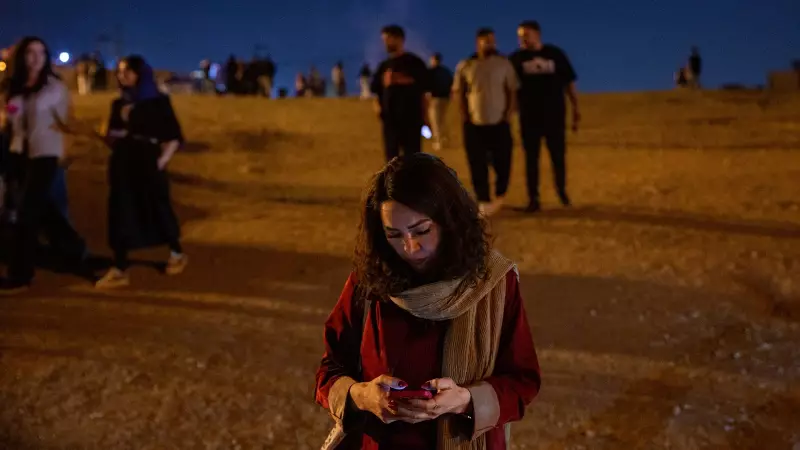
The government's strategy to stifle dissent has become increasingly advanced. Instead of resorting to a complete nationwide blackout, which draws significant international condemnation, authorities are now implementing targeted and localized internet disruptions. These measures are particularly severe in specific provinces and around sensitive locations, such as major universities and prisons.
Technical experts and watchdog groups report that the state is using deep packet inspection (DPI) technology to identify and block specific protocols used by popular virtual private networks (VPNs). This makes it exceedingly difficult for citizens to bypass state filters and access uncensored news or global social media platforms. The primary goal is to prevent the organization of protests and to stop the flow of videos depicting state violence or public unrest from reaching the outside world.

Protests Fueled by Grievances and Memory
The current atmosphere of tension is not occurring in a vacuum. It builds upon the powerful legacy of the "Woman, Life, Freedom" movement that erupted in September 2022 following the death of Mahsa Jina Amini in morality police custody. The recent protests, while sparked by immediate economic hardships like soaring inflation and currency devaluation, are deeply intertwined with the unresolved anger from that period.
Analysts observe that the chants heard on the streets have evolved. There is a noticeable shift from demands for reform to explicit calls for an end to the Islamic Republic's system of governance. This represents a significant radicalization of a segment of the populace, who no longer see compromise as a viable path.
The government, led by President Ebrahim Raisi, has responded with a familiar playbook of suppression. Security forces have been quick to disperse gatherings, and there are numerous reports of arrests. The judiciary continues to hand down harsh sentences, including executions, to protesters allegedly involved in violent acts, a tactic aimed at instilling fear.
International Scrutiny and a Regime Under Pressure
The situation has drawn renewed attention from global human rights organizations and foreign governments. The United Nations and groups like Amnesty International have repeatedly criticized Iran for its systematic human rights violations. However, the regime appears largely impervious to external diplomatic pressure, prioritizing its survival above all else.
Internally, the leadership faces a complex dilemma. While brutal force can quell visible protests in the short term, it does nothing to address the root causes of discontent: a failing economy, widespread corruption, and severe social restrictions. The internet crackdown, while effective as a tool of control, further isolates Iran's economy and youth from the global community, potentially exacerbating long-term problems.
The coming months will be a critical test. The regime's ability to manage both the economic crisis and the simmering social unrest, while maintaining its iron grip on information, will determine the country's stability. For now, Iran remains a nation where the digital battlefield is as active as the physical one, with its people's access to information and freedom of expression hanging in the balance.