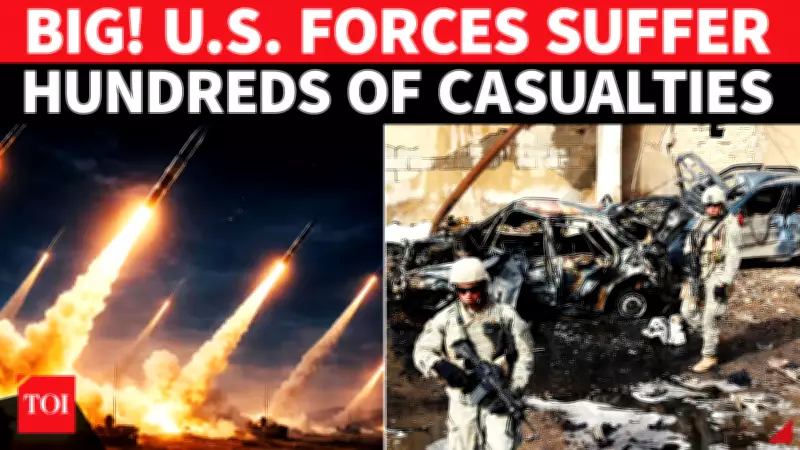
Iran's Military Strikes Leave 200 American Soldiers Injured as Conflict Intensifies
The ongoing military confrontation between the United States, Israel, and Iran has escalated dramatically, resulting in significant casualties on multiple fronts. According to recent reports, at least 200 US troops have sustained injuries during intensified hostilities, with 13 American soldiers confirmed dead and numerous others listed in serious condition. This development marks a severe escalation in the volatile Middle East region, raising global concerns over stability and security.
Widening Conflict Zone and Civilian Impact
Military strikes have expanded beyond initial flashpoints, now affecting territories across Kuwait, Iraq, and Saudi Arabia. The broadening conflict zone underscores the rapidly spreading nature of the hostilities, with infrastructure and civilian areas coming under fire. On the Iranian side, reports indicate that over 1,300 Iranians have been killed, alongside civilian casualties reported in Lebanon and Israel. The humanitarian toll continues to mount as diplomatic efforts struggle to keep pace with military actions.
Strategic Flashpoint: The Strait of Hormuz
Amid the escalating violence, the Strait of Hormuz remains a critical strategic concern. This vital maritime passage, through which a substantial portion of global oil shipments transit, faces increasing threats of disruption. Military analysts warn that any significant interference with shipping lanes could trigger widespread economic repercussions, potentially affecting global energy markets and international trade routes. The situation has prompted heightened naval patrols and defensive preparations by multiple nations with interests in the region.

Leadership Questions as Trump Admits Being Unprepared
Former President Donald Trump has come under intense scrutiny following revelations that he was not adequately briefed on Iran's retaliatory measures. In conflicting statements, Trump acknowledged being caught off guard by the scale and timing of Iran's military response, raising serious questions about leadership preparedness during international crises. This admission has sparked backlash from political opponents and military analysts alike, who question the effectiveness of intelligence sharing and strategic planning at the highest levels of government.
Operational Context and Regional Implications
The current hostilities, part of what some are calling Operation Epic Fury, represent a significant deterioration in US-Iran relations. The conflict has drawn in regional actors including Israel, with drone strikes and missile attacks becoming increasingly frequent. Military experts note that the situation demonstrates:
- The growing capability of Iranian drone and missile technology
- The vulnerability of traditional military assets to asymmetric warfare
- The complex web of regional alliances and rivalries
- The potential for miscalculation leading to broader regional conflict
As casualties mount on all sides, international observers are calling for renewed diplomatic initiatives to de-escalate tensions before the conflict spirals further out of control. The coming days will likely prove decisive in determining whether the violence can be contained or if the Middle East faces yet another prolonged period of warfare with global implications.