

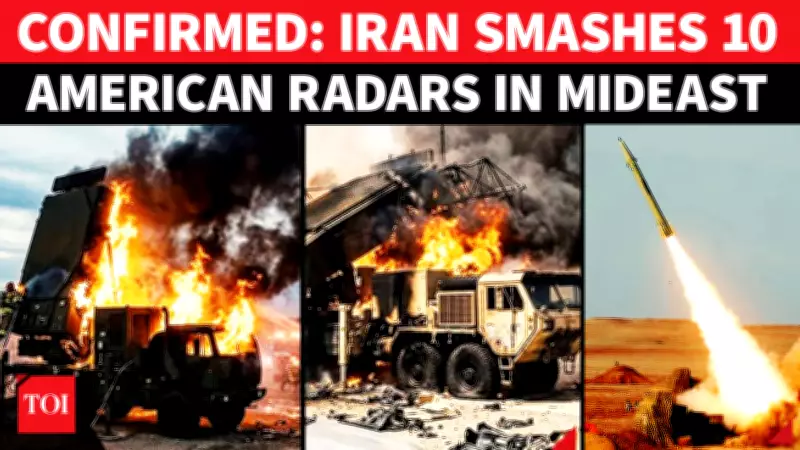
Iranian Military Attacks Target U.S. Radar Infrastructure in Middle East
In a significant escalation of regional tensions, Iran has conducted coordinated strikes against American military assets, specifically targeting radar installations across the Middle East. Reports confirm that 10 key radar sites, integral to advanced U.S. air defense systems, were hit in these attacks. This development has sparked fresh concerns about the durability and effectiveness of American defensive capabilities in the volatile region.
Details of the Attacks and Damage Assessment
The Iranian military employed a combination of drones and missiles to execute these strikes, focusing on radar installations that support critical defense platforms such as the Patriot and Terminal High Altitude Area Defense (THAAD) systems. Some of these radars, which are equipped with highly specialized components and valued at hundreds of millions of dollars each, sustained damage during the assaults.
While the full extent of the destruction remains unverified by independent sources, preliminary satellite imagery analysis indicates that several facilities housing sensitive equipment were successfully impacted. The attacks have raised alarms about potential vulnerabilities in U.S. military infrastructure, which plays a crucial role in monitoring and countering threats in the Middle East.

Broader Implications for Regional Security
These strikes occur against a backdrop of heightened geopolitical friction involving Iran, the United States, and their respective allies. The targeting of radar installations not only challenges U.S. military dominance but also signals Iran's growing capability to disrupt sophisticated defense networks. Experts warn that such actions could escalate into broader conflicts, affecting stability across the Middle East.
The incidents highlight ongoing tensions over energy security, territorial disputes, and retaliatory measures, as seen in related reports of attacks on oil and gas facilities. As assessments continue, the international community is closely monitoring the situation for further developments and potential responses from affected nations.






