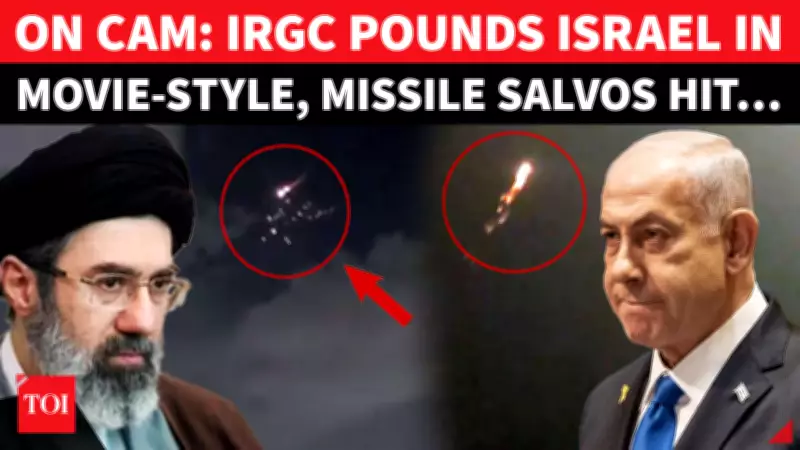
Iran Unleashes Major Missile Barrage on Israel in Overnight Assault
In a dramatic escalation of regional tensions, Iran launched a substantial overnight missile barrage targeting Israel, with multiple salvos fired toward Jerusalem and northern parts of the country within a concentrated one-hour period. The Israeli military confirmed it detected and responded to the incoming threats as air raid sirens blared across several cities, signaling a high-alert situation.
Targets and Immediate Aftermath of the Attack
Reports indicate that explosions were heard near key strategic locations, including the vital northern port city of Haifa, a major industrial and transportation hub. Initial assessments from Israeli authorities suggest that the damage from the missile strikes was relatively limited, though the psychological impact and disruption were significant. The precise number of missiles launched remains undisclosed, but sources describe it as a coordinated assault involving ballistic weaponry.
This aggressive move by Iran is widely interpreted as a direct retaliation for Israel's reported attack on Iran's South Pars gas field, one of the largest natural gas reserves globally. The tit-for-tat strikes highlight the volatile nature of the ongoing shadow war between the two nations, which has now erupted into a more overt confrontation.

Israeli Leadership's Firm Response and Stance
Israeli Prime Minister Benjamin Netanyahu addressed the nation following the missile barrage, asserting that Israel had acted independently in the earlier strikes on Iranian assets. He emphasized Israel's readiness to take further defensive or offensive action if necessary to protect its sovereignty and citizens. The Prime Minister's statement underscored a posture of resilience and determination in the face of external threats.
The Israeli Defense Forces (IDF) have been placed on heightened alert, with defense systems activated to intercept any additional threats. Military analysts note that the rapid succession of missile salvos—reportedly five in total—demonstrates Iran's capability to launch sustained attacks, raising concerns about future escalations.
Broader Regional Implications and Context
This incident occurs against a backdrop of increasing hostilities in the Middle East, where proxy conflicts and direct military engagements have become more frequent. The targeting of Jerusalem, a city of profound religious and political significance, adds a symbolic dimension to the attack, potentially inflaming tensions further.
- The missile barrage marks one of the most direct confrontations between Iran and Israel in recent years.
- Limited initial damage suggests effective Israeli countermeasures or possible inaccuracies in the strikes.
- Regional stability is at risk as both nations signal willingness to engage in further military actions.
As the situation develops, international observers are closely monitoring for any signs of de-escalation or additional retaliatory measures. The overnight events have underscored the fragile security environment in the region, with potential ramifications for global energy markets and diplomatic relations.