

Iran Carries Out Executions of Two Men Linked to January Protests
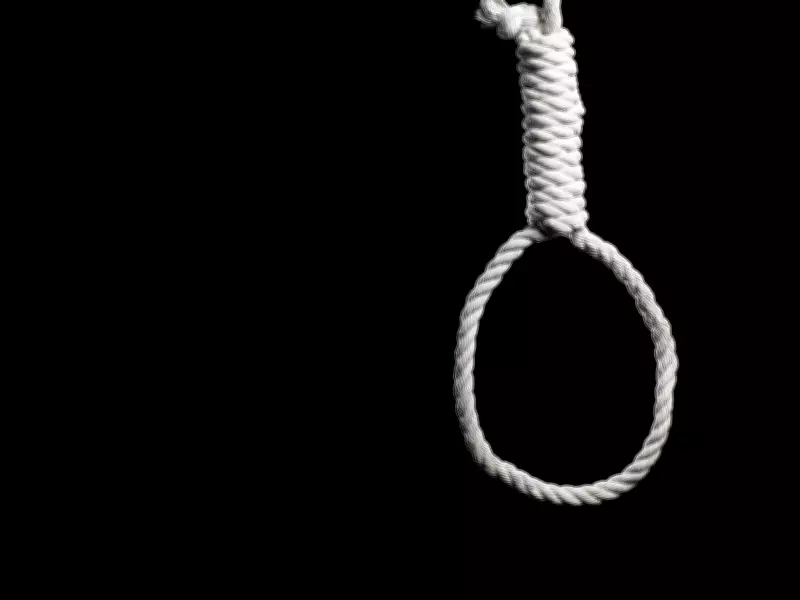
Iran's judiciary has confirmed the execution of two men who were convicted for their involvement in the widespread protests that erupted in January, as reported by official news outlets. This development underscores the severe legal consequences faced by participants in the civil unrest that has periodically shaken the country.
Details of the Executions and Judicial Proceedings
The executed individuals were found guilty by Iranian courts for their roles in the January protests, which saw demonstrations across various cities over issues such as economic hardships and political freedoms. The judiciary's announcement did not disclose the specific charges or the identities of the men, but it emphasized that the sentences were carried out in accordance with Iranian law.
According to the reports, the executions took place recently, following legal processes that included trials and appeals. Iranian authorities have often cited national security and public order as justifications for such harsh measures against protestors.

Background on the January Protests in Iran
The January protests were part of a series of public outcries in Iran, driven by factors like inflation, unemployment, and dissatisfaction with government policies. These events have led to numerous arrests and convictions, with human rights organizations frequently criticizing Iran for its handling of dissent.
In previous instances, Iran has faced international condemnation for its use of capital punishment in protest-related cases, raising concerns about human rights violations and the suppression of free speech.
International Reactions and Implications
This latest execution is likely to draw renewed scrutiny from global observers and human rights groups. It highlights the ongoing tensions within Iran and the government's firm stance against perceived threats to stability.
- The executions may further strain Iran's relations with Western countries that advocate for human rights reforms.
- Domestically, it could intensify public discontent, potentially fueling more protests in the future.
- Analysts suggest that such actions are aimed at deterring further unrest, but they risk escalating conflicts.
As Iran continues to navigate internal challenges, the judiciary's role in enforcing laws against protestors remains a contentious issue, with implications for both domestic governance and international diplomacy.






