

Iran Conflict Escalates: Global Markets React to Rising Tensions in Middle East
The geopolitical landscape in the Middle East has taken a dramatic turn as escalating tensions between Iran and the United States under the Trump administration have sent shockwaves through global financial markets. Asia stock markets opened with significant volatility, reflecting investor anxiety over the potential for a broader conflict in the region. This development has direct implications for oil prices and the security of critical maritime routes like the Strait of Hormuz, a vital chokepoint for global energy supplies.
Market Turmoil in Asia Amidst Rising Threats
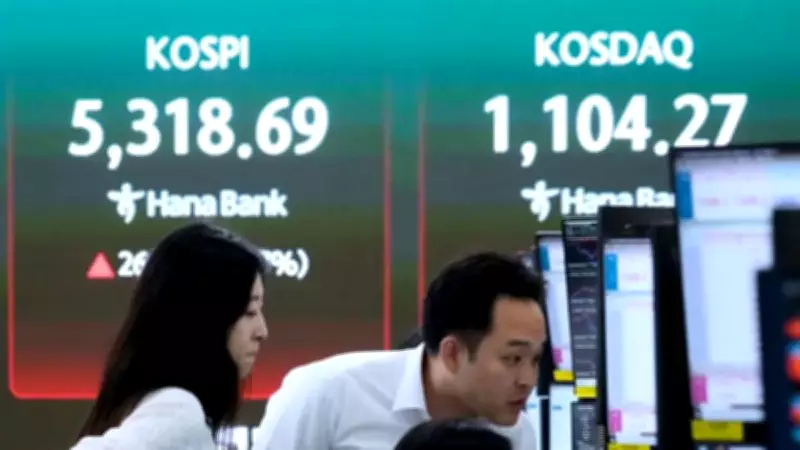
As news of heightened threats from former President Donald Trump towards Iran circulated, Asia stock markets experienced a turbulent opening session. Investors across the continent reacted swiftly to the escalating rhetoric, with indices in key financial hubs showing sharp declines and increased trading volumes. The uncertainty surrounding the conflict has prompted a flight to safety, as market participants brace for potential disruptions to international trade and economic stability in West Asia.
The volatility in Asia stock markets is a clear indicator of how geopolitical risks can rapidly translate into financial instability. Analysts note that the situation is particularly sensitive due to Iran's strategic position and its influence over regional dynamics. The conflict has already begun to affect commodity prices, with oil seeing notable fluctuations as traders assess the risk of supply disruptions from the Middle East.

Trump's Iran Threat and Its Global Repercussions
Former President Trump's renewed threats against Iran have added a layer of complexity to the already tense situation in the Middle East. His statements have reignited fears of a military confrontation, which could destabilize not only Iran but also neighboring countries in West Asia. The international community is closely monitoring these developments, as any escalation could have far-reaching consequences for global peace and security.
The Trump administration's approach to Iran has historically been marked by a hardline stance, and these latest threats suggest a continuation of that policy. This has raised concerns among allies and adversaries alike, with many calling for diplomatic solutions to prevent a full-blown conflict. The impact on the Strait of Hormuz, a critical passage for oil tankers, is of particular concern, as any disruption could lead to a spike in global oil prices and economic turmoil.
Impact on Oil Prices and Strait of Hormuz Security
The escalating Iran conflict has directly influenced oil prices, with markets reacting to the heightened risk of supply interruptions from the Middle East. The Strait of Hormuz, through which a significant portion of the world's oil passes, is now under increased scrutiny. Any military action in this area could severely impact global energy supplies, leading to price surges and economic instability.
- Oil Price Volatility: The uncertainty has caused oil prices to fluctuate, with traders pricing in the risk of reduced output from the region.
- Strait of Hormuz Risks: Security concerns around this vital waterway have intensified, prompting calls for enhanced naval patrols and international cooperation.
- Global Economic Implications: A prolonged conflict could disrupt trade routes, increase inflation, and slow economic growth worldwide.
In summary, the Iran conflict, fueled by threats from the Trump administration, is creating a ripple effect across global markets and geopolitical spheres. Asia stock markets have shown immediate sensitivity to these developments, while oil prices and the security of the Strait of Hormuz remain critical focal points. As tensions continue to rise, the world watches closely, hoping for a de-escalation to avoid further economic and humanitarian crises in the Middle East and beyond.






