Iran's Cluster Missile Strike Hits Tel Aviv, Breaching Israeli Defenses
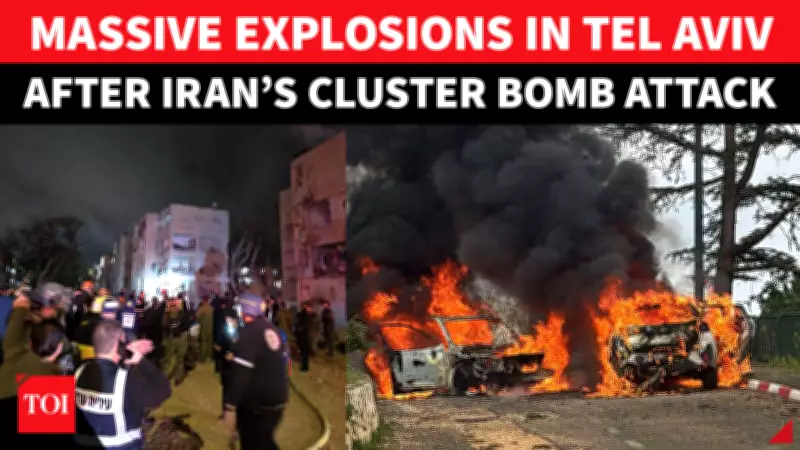
In a significant escalation of regional tensions, Iran has executed a missile barrage targeting Tel Aviv, utilizing cluster munitions that have breached Israeli air defenses. The attack resulted in at least seven injuries and caused substantial damage to residential areas and road infrastructure, according to reports from Israeli emergency services.
Multiple Impact Sites and Rising Casualty Fears
Emergency responders confirmed multiple bomblet impact sites across Tel Aviv, sparking fears of wider casualties as rescue operations continue. The use of cluster munitions, which disperse smaller explosives over a broad area, has heightened concerns about civilian safety and the potential for unexploded ordnance.
This strike follows earlier Iranian ballistic missile attacks on the Israeli cities of Dimona and Arad, which injured over 150 people. The consecutive breaches have placed Israel's air defense systems under intense scrutiny, with critics questioning their effectiveness against evolving missile threats.

Israeli Air Force Response and Defense Claims
The Israeli Air Force has responded to the criticism by insisting that the interception failures were coincidental and do not indicate systemic flaws. Officials cited a 92 percent success rate in missile defense operations, emphasizing the complexity of modern warfare scenarios.
However, security analysts point to repeated breaches as evidence of growing vulnerabilities. The combination of ballistic missiles and cluster munitions represents a sophisticated threat that challenges existing defense protocols.
Escalating Conflict and Regional Implications
The attack underscores the intensifying conflict between Iran and Israel, with both nations engaging in increasingly aggressive military posturing. The use of advanced weaponry, including cluster munitions, signals a dangerous evolution in combat tactics that could have broader regional consequences.
International observers are monitoring the situation closely, concerned that continued escalations could destabilize the Middle East further. The targeting of urban centers like Tel Aviv represents a significant shift in Iranian strategy, moving beyond symbolic strikes to direct attacks on population centers.
Infrastructure Damage and Recovery Efforts
Initial assessments indicate substantial damage to homes and transportation networks in affected areas. Recovery teams are working to clear debris and assess the full extent of the destruction while providing medical assistance to the injured.
The psychological impact on residents cannot be underestimated, with many experiencing trauma from the sudden attack. Community support services have been mobilized to assist affected families and individuals.
Looking Ahead: Defense Adjustments and Diplomatic Responses
Israeli defense officials are reportedly reviewing their air defense strategies in light of these breaches. Potential adjustments may include enhanced early warning systems, upgraded interception technologies, and revised deployment protocols for defensive assets.
Diplomatic channels remain active, with international partners urging de-escalation. However, the persistent nature of these attacks suggests that military tensions are likely to continue in the near term, with both sides preparing for potential further confrontations.