Iran has announced the closure of the Strait of Hormuz to vessel traffic, a move described as a response to an “enemy breach of promise” following Israeli airstrikes in southern Lebanon that have killed at least 32 people. The announcement was made by Iran’s military central headquarters, Khatam-al Anbiya, in a statement carried by state television.
US Vice-President Vance Likely to Join Switzerland Talks
Meanwhile, US Vice-President JD Vance is expected to travel to Switzerland in the coming days for negotiations over the US-Iran conflict. “I expect that I will leave sometime in the next couple of days, but you know it’s always a delicate coordination and diplomatic protocols,” Vance said in an interview. US special envoy Steve Witkoff and Jared Kushner, President Trump’s son-in-law, are already in Switzerland for the talks.
Washington-Tehran talks are possible on Sunday, Vance indicated. Iran’s Foreign Ministry spokesperson said the start of talks for a final agreement depends on the implementation of the memorandum of understanding, including a cessation of hostilities on all fronts, particularly in Lebanon.

Iranian Delegation Heads to Switzerland
Iran has confirmed that its delegation is traveling to Switzerland to negotiate with the United States. “In Switzerland, we intend to press for the fulfilment of the other side’s commitments and clarify how they plan to act on their obligations,” said the Iranian foreign ministry spokesperson, according to Fars news agency. The talks are expected to focus on implementing the memorandum of understanding between the two countries.
Strait of Hormuz Closure: A First Step
The Iranian military’s statement declared: “It is hereby announced that the Strait of Hormuz will be closed to vessel traffic; It is noted that this first step is a response to the enemy’s breach of promise, and if the aggression continues, further steps will be planned and taken to force the enemy to comply with its obligations.” The strait is a critical chokepoint for global oil shipments, and its closure could have significant economic repercussions.
Israeli Strikes in Lebanon: Death Toll Rises
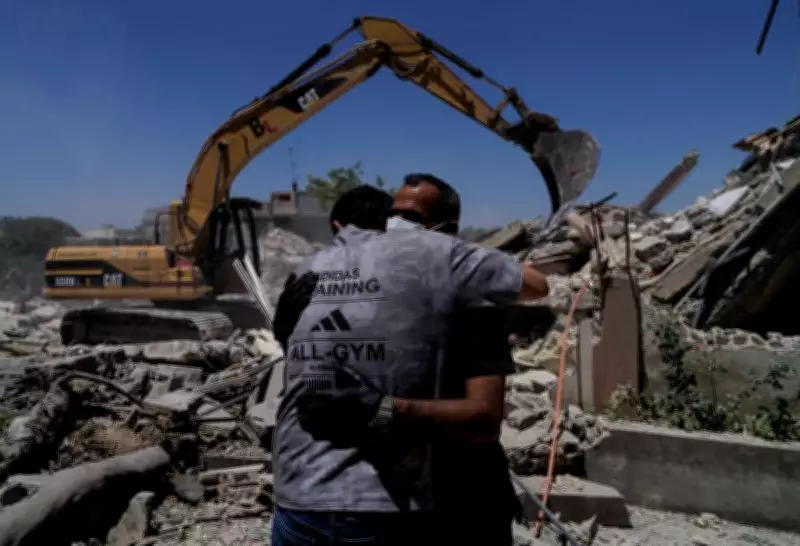
The death toll from Israeli attacks on Lebanon has risen to 32 across the country, as Israel continues bombing despite ceasefire efforts. Lebanon’s National News Agency reported that an Israeli raid hit a house in Sohmor in the western Bekaa while a family was inside, killing four people and injuring one. A child remains trapped under the rubble as rescue teams work to pull him out.
The Israeli military said Hezbollah launched more than 50 projectiles overnight towards Israeli forces operating in southern Lebanon. Israel also reported that its forces struck dozens of Hezbollah targets in the area, including rocket launch positions, weapons storage facilities, and command centres.
Pakistan’s Interior Minister Arrives in Iran
Amid the escalating tensions, Pakistani Interior Minister Mohsin Naqvi has arrived in Iran and is scheduled to meet high-ranking Iranian officials, including Foreign Minister Abbas Araghchi. Naqvi is fully authorised by the Pakistani government and Prime Minister Shehbaz Sharif, and he is a close ally of Pakistan armed forces Field Marshal Asim Munir.
Switzerland Confirms Continued Role as Mediator
Switzerland has confirmed that US-Iran talks will continue at Burgenstock, a luxury resort near Lake Lucerne. The Swiss Foreign Ministry stated that Switzerland will continue to provide a “discreet and reliable setting” at Burgenstock to facilitate discussions on implementing the memorandum of understanding. The ministry added that no further details would be disclosed about participants or content, citing confidentiality.