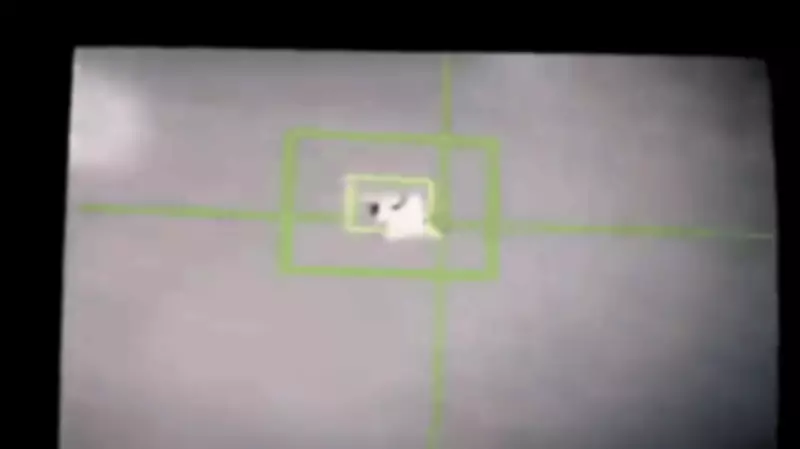
Iran Claims Second US F-35 Fighter Jet Shot Down in Central Region
According to a Reuters report citing Iran's Mehr news agency, Iran claimed on Friday that a second US F-35 fighter jet had been shot down over central Iran. The report further stated that the pilot's survival was considered unlikely, adding a grim note to the escalating military tensions. There has been no immediate confirmation or response from US authorities regarding this latest assertion, leaving the claim unverified by American officials.
Background of Previous Incident and Ongoing Conflict
This latest claim follows an incident two weeks prior, where a US F-35 stealth fighter was reportedly hit during a combat mission over Iran. That event forced the aircraft to make an emergency landing at a US air base located in the Middle East. At that time, American officials confirmed that the pilot had survived and was in stable condition, providing a stark contrast to the current report of potential pilot loss.
Iran had previously asserted that it struck the earlier aircraft using its air defense systems. If confirmed, this could mark a significant development, potentially representing the first time Iran has successfully hit one of the United States' most advanced fighter jets amid the ongoing conflict between the two nations. The repeated targeting of such high-value assets underscores the intensifying nature of the military engagements in the region.

Significance of the F-35 Lightning II Aircraft
The F-35 Lightning II is widely regarded as one of the most advanced fighter jets currently in service, forming a critical component of US and allied air power capabilities. With a price tag exceeding $100 million per unit, this fifth-generation fighter is operated or has been ordered by more than 19 countries worldwide, making it among the most extensively deployed aircraft of its generation.
A key technological feature of the F-35 is its sophisticated stealth design, which enables it to evade radar detection through a combination of specialized shape, advanced materials, and internal weapons systems. This stealth capability allows the aircraft to penetrate deeply into heavily defended areas, presenting significant challenges for enemy air defenses in terms of tracking and targeting.
Current Status and Implications
The absence of immediate confirmation from US authorities creates an information gap, with the international community awaiting official statements to clarify the situation. The potential downing of a second F-35, if verified, would represent a serious escalation in the conflict and could have far-reaching implications for military strategy and diplomatic relations between Iran and the United States.
As developments unfold, the focus remains on verifying the accuracy of Iran's claims and assessing the broader impact on regional stability and global security dynamics. The advanced nature of the F-35 platform makes any successful engagement against it a notable event in modern aerial warfare, potentially influencing future military tactics and defense system deployments in conflict zones.