

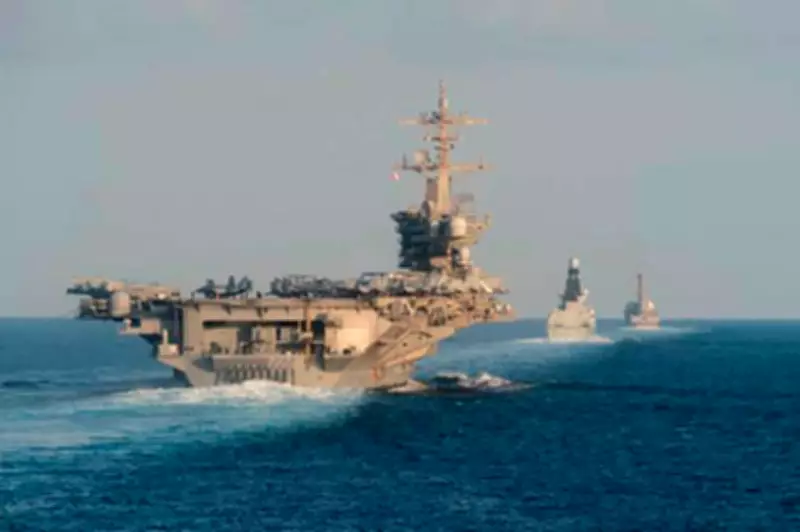
Iran Claims Missile Strike Forced US Aircraft Carrier to Retreat from Regional Waters
In a bold assertion that has heightened geopolitical tensions, Iran's military has claimed responsibility for a missile strike targeting the United States aircraft carrier Abraham Lincoln. According to Iranian officials, this aggressive action forced the massive naval vessel to retreat from regional waters in the Middle East, marking a significant escalation in the ongoing standoff between the two nations.
Details of the Alleged Incident
The Iranian military released a statement detailing the purported attack, which they say involved precision-guided missiles launched from coastal defense systems. They allege that the strike was a direct response to what they describe as "provocative maneuvers" by the US Navy in the strategic waterways of the region. The Abraham Lincoln, a Nimitz-class carrier and one of the largest warships in the US fleet, was reportedly operating in the area as part of routine patrols aimed at ensuring maritime security and deterring regional threats.
Iranian sources have emphasized that the missile barrage was successful in compelling the carrier to alter its course and withdraw from what they term as "Iranian-influenced waters." This claim, if verified, would represent a rare and audacious military challenge to US naval supremacy in the region, potentially altering the balance of power and signaling Iran's growing confidence in its asymmetric warfare capabilities.

US Response and Regional Implications
As of now, the United States Department of Defense has not officially confirmed or denied the Iranian claims. However, analysts suggest that such an incident, if true, would likely prompt a swift and robust response from Washington, possibly involving diplomatic protests, increased military presence, or even retaliatory measures. The Abraham Lincoln is a key asset in US power projection, and any attack on it would be viewed as a serious breach of international norms and a direct threat to American interests.
The Middle East has been a hotspot for tensions between Iran and the US, particularly over issues such as nuclear proliferation, regional influence, and maritime security. This alleged strike adds a new layer of complexity to an already volatile situation, raising concerns about potential miscalculations that could spiral into broader conflict. Neighboring countries and international observers are closely monitoring developments, with many calling for restraint and dialogue to prevent further escalation.
Historical Context and Strategic Significance
This is not the first time Iran has made claims of targeting US assets; in the past, they have reported downing drones and harassing naval vessels. However, an alleged missile strike on an aircraft carrier represents a significant escalation in both rhetoric and potential action. The Abraham Lincoln's presence in the region is part of longstanding US strategy to maintain open sea lanes and counter Iranian influence, making any confrontation highly symbolic and strategically critical.
Experts note that Iran's military, while not matching the US in conventional strength, has developed sophisticated missile and asymmetric warfare tactics that pose a credible threat in confined waters like the Persian Gulf. This incident underscores the ongoing challenges of naval operations in such environments and the persistent risk of clashes between major powers and regional actors.
Looking Ahead: Potential Outcomes and Global Reactions
The international community is likely to react with alarm to Iran's claims, with key allies and adversaries weighing in on the implications. If the US confirms the attack, it could lead to:

- Increased Sanctions: Tighter economic measures against Iran by the US and its partners.
- Military Buildup: Enhanced naval deployments and defensive postures in the Middle East.
- Diplomatic Efforts: Renewed calls for negotiations to de-escalate tensions and address underlying issues.
In conclusion, Iran's assertion of forcing the US aircraft carrier Abraham Lincoln to retreat through a missile strike marks a provocative moment in Middle Eastern geopolitics. As facts continue to emerge, the world watches closely, aware that such incidents have the potential to reshape regional dynamics and test the limits of international diplomacy and military deterrence.





