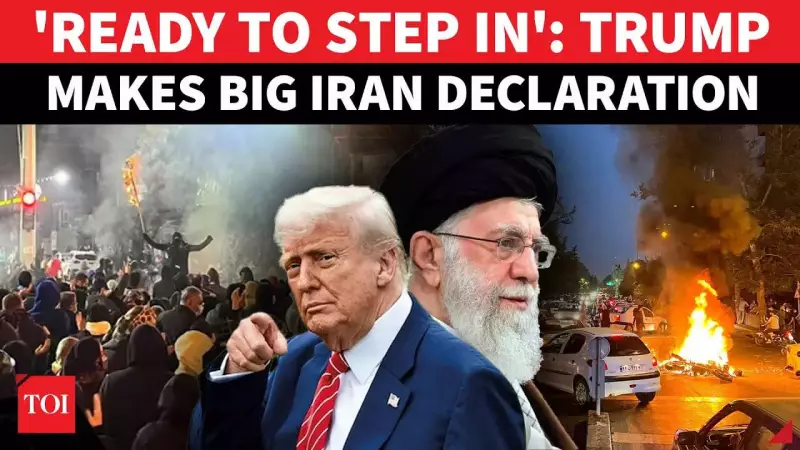
Iran's internal political turmoil has escalated dramatically onto the international stage, marked by mass arrests and sharp warnings from the United States. The crisis, now in a volatile new phase, saw Iranian authorities announce the detention of more than 200 individuals accused of being foreign-backed terror organisers.
Mass Arrests and Rising Tensions
According to reports from Iranian state media on January 11, 2026, security forces have detained over 200 alleged organisers of the ongoing nationwide protests. The authorities claim those arrested were involved in a plot involving Israeli-American terror networks. Alongside the arrests, officials reported seizures of weapons and explosives, alleging these were meant to fuel the unrest.
Iranian leaders have pointed fingers directly at foreign adversaries. Just a day before the arrest announcement, Supreme Leader Ayatollah Ali Khamenei accused Washington of instigating the protests and warned participants of severe consequences. The government asserts that these sweeping arrests have helped slow the momentum of the demonstrations, though the fundamental standoff between the state and protesters remains unresolved.

Trump's Provocative Stance
Adding fuel to the fire, U.S. President Donald Trump publicly voiced strong support for the Iranian protesters. He signalled backing for Iranians seeking "freedom like never before," a statement interpreted as a direct challenge to the Tehran regime. This rhetoric has significantly raised tensions between the two nations, with Trump's comments seen as endorsing the protest movement that the Iranian government labels as foreign-sponsored terrorism.
The exchange of accusations has created a dangerous diplomatic impasse. While Iran portrays the protests as a foreign conspiracy, the U.S. administration frames it as a legitimate popular uprising for liberty, setting the scene for a potential broader confrontation.
A Crisis with Global Repercussions
The situation in Iran is no longer confined within its borders. The hardening rhetoric from both Tehran and Washington ensures the unrest is playing out on the global stage, with implications for Middle Eastern stability and international relations. The claim of capturing "Israeli-American" operatives introduces another layer of complexity, potentially drawing other regional actors into the fray.
As protests reportedly enter another day, the world watches closely. The combination of internal dissent, mass arrests, and intense international posturing suggests the crisis is far from over. The actions and statements from both sides in the coming days will be critical in determining whether the situation de-escalates or spirals further into conflict.