

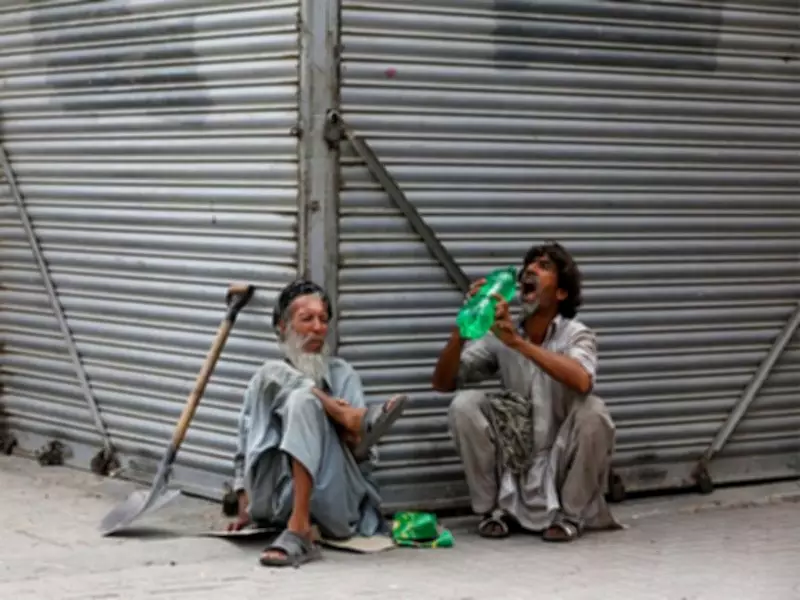
Eid celebrations in Rawalpindi this year have been overshadowed by soaring inflation and stringent security restrictions, leaving many residents with a subdued holiday. The traditional fervor and joy associated with the festival have been replaced by concerns over rising prices and limited mobility.
Economic Strain on Families
The cost of essential items, including food, clothing, and gifts, has surged significantly compared to previous years. Many families have had to scale back their celebrations, with some unable to afford new clothes or prepare elaborate feasts. Shopkeepers report lower sales, attributing the decline to reduced purchasing power among customers. The price of meat, a staple for Eid dishes, has increased by nearly 30%, forcing many to opt for cheaper alternatives.
Impact on Low-Income Households
For low-income families, the financial burden is particularly acute. Daily wage laborers and small business owners have seen their earnings shrink amid economic uncertainty. Some have resorted to borrowing money to meet basic needs, let alone festive expenses. Community leaders have urged the government to provide relief packages to help vulnerable groups celebrate with dignity.

Security Restrictions Tighten
Security measures have been intensified across Rawalpindi, with checkpoints and patrols increased in public spaces. Authorities cite the need to prevent any untoward incidents during the holiday. However, residents complain that the restrictions have curtailed their freedom of movement and dampened the festive spirit. Parks, markets, and public gathering spots have limited hours, and large congregations are discouraged.
Mixed Reactions from Residents
While some understand the necessity of security protocols, others feel that the measures are excessive. A local shopkeeper expressed frustration, saying, "Eid is supposed to be a time of joy and togetherness, but this year it feels like a burden." Many families have chosen to stay home rather than navigate the hassle of checkpoints and overcrowded markets.
Government Response
In response to the economic challenges, the government has announced subsidies on some essential items and increased the number of utility stores to ensure availability at controlled prices. However, critics argue that these measures are insufficient and poorly implemented. Security officials maintain that the restrictions are temporary and necessary for public safety, urging citizens to cooperate.
Looking Ahead
As Eid continues, many in Rawalpindi hope for better times ahead. The current situation has sparked broader discussions about economic policies and security strategies. For now, the focus remains on making the best of difficult circumstances, with families finding solace in small gatherings and prayers.






