

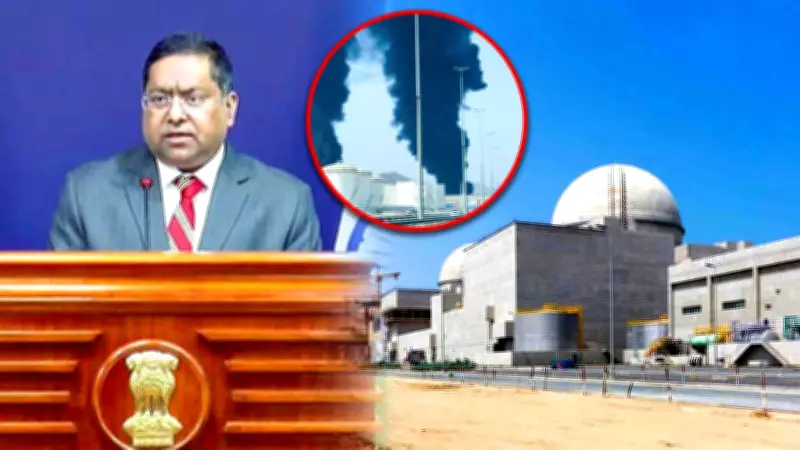
India has strongly condemned a drone attack targeting the Barakah Nuclear Power Plant in the United Arab Emirates, labeling it a “dangerous escalation” and urging all parties to exercise restraint and return to diplomacy. The incident occurred on May 18, 2026, when a drone struck an electricity generator located outside the perimeter of the nuclear facility, according to UAE officials. No damage was reported to the plant itself, and the facility remains fully operational.
Global Concerns Over Nuclear Infrastructure
The attack has raised international alarm due to the sensitive nature of nuclear infrastructure. The UAE has described the incident as a terrorist act and a violation of international law. Barakah, the first nuclear power plant on the Arabian Peninsula, is a critical energy asset for the region. The strike highlights the growing risks to vital energy infrastructure in conflict zones, where such facilities could become targets, potentially leading to catastrophic consequences.
India’s Call for Restraint
In a statement, India emphasized the need for de-escalation and a peaceful resolution through diplomatic channels. The Indian government expressed solidarity with the UAE and reiterated its commitment to regional stability. The attack comes amid heightened tensions in the Middle East, where various conflicts have increasingly endangered civilian infrastructure.

The UAE confirmed that the drone hit a generator outside the plant’s security perimeter, causing no disruption to nuclear operations. However, the incident underscores the vulnerability of energy facilities to aerial attacks, prompting calls for enhanced security measures. International observers have urged all parties to respect the inviolability of nuclear sites and adhere to global norms protecting such installations.
India’s condemnation aligns with its broader stance against terrorism and support for international law. The country has consistently advocated for dialogue and restraint in regional disputes. As the situation develops, the focus remains on preventing further escalation and ensuring the safety of critical infrastructure in the region.






