On the shores of southern Italy, visitors often encounter narrow coastal roads, colorful villages, and seaside dinners by the Mediterranean Sea. Many envision savoring dinner on a sea terrace in Naples, breathing in the salty air, and twirling pasta on forks while admiring the sunset. For decades, travelers and gourmets have considered eating seafood along the coastline the ultimate symbol of laid-back Mediterranean culture—a long-standing experience rooted in local tradition.
The Hidden Cost of a Culinary Trend
Most people ordering a classic seafood dish at a local trattoria rarely look beyond their plate. It is easy to assume that the ingredients are part of a bountiful, self-sustaining ocean ecosystem that can keep up with appetites. However, a look at the underwater world around Naples reveals that a popular culinary trend is affecting the local marine environment. The high demand for a specific delicacy is fueling an aggressive black market that is rapidly stripping the seafloor bare.
Spaghetti ai Ricci: A Dish with Consequences
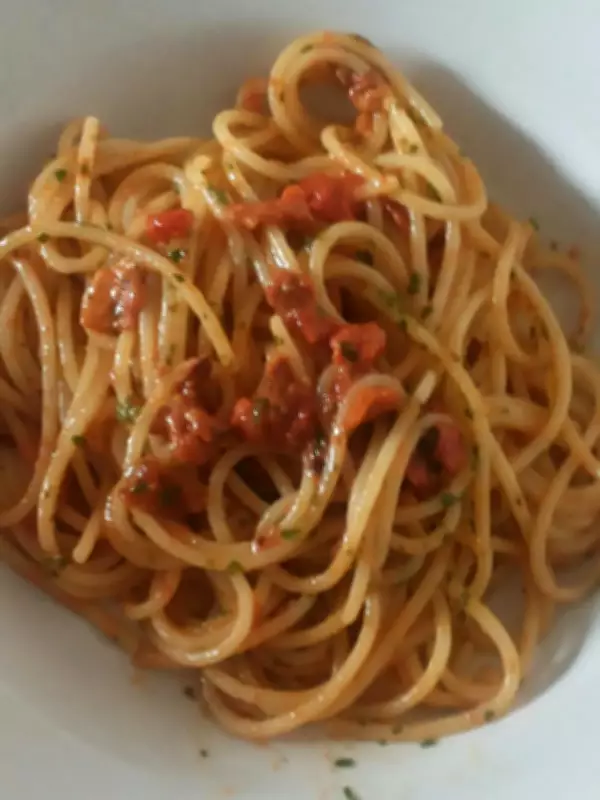
To understand how a seemingly insignificant food order can affect life on the ocean bed, one must examine the ingredients of a local specialty called spaghetti ai ricci. This classic pasta dish relies entirely on the orange roe of sea urchins. These spiny creatures play a vital role in maintaining marine ecological balance. Sadly, their population is heavily depleted during summer when the region receives numerous visitors craving the dish.

Illegal harvesting poses significant concerns for authorities and marine scientists. Poachers use an illegal diving technique called the hookah system, where air from a compressor on a small vessel travels through a hose to a diver. The diver spends hours underwater collecting sea urchins from rocks. According to an investigation by Mongabay, illegal operators can harvest hundreds of sea urchins in minutes, collecting about 1,500 within two hours. This type of harvesting seriously threatens marine ecology, disrupts the food chain, and endangers local fishermen.
Ecological Impact and Conservation Efforts
The rapid depletion of sea urchins disrupts the marine ecosystem. Sea urchins are integral as natural food in the food chain, controlled by predator fish like sargo and sea bream. Illegal fishing and poaching destroy ecological balance when sea rocks are stripped of their spiky inhabitants. Poaching reduces predator numbers and forces them to relocate, leaving fishermen with empty nets and threatening livelihoods.
Protecting these habitats requires monitoring and stronger regional regulations. Conservation efforts are underway in dedicated zones like the Gaiola Marine Protected Area, where staff collect data on illegal harvesting to share with the environment ministry. Ecologists from the Stazione Zoologica Anton Dohrn marine research center warn that taking a high percentage of the population in short periods can undermine years of environmental management. For coastal communities and travelers, safeguarding the Mediterranean means recognizing that ocean health is directly tied to what we choose to put on our plates.