Israeli Military Issues Stark Warning About Iran's New Leadership
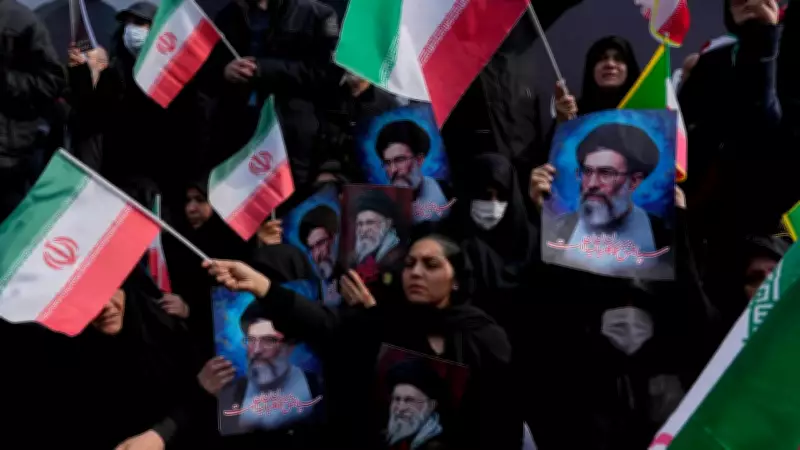
The Israel Defence Forces (IDF) has delivered a sobering assessment, warning that Iran's new leadership under Mojtaba Khamenei represents a significantly more "extreme and rigid" regime compared to the previous administration led by his father, Ayatollah Ali Khamenei. This critical intelligence briefing comes at a pivotal moment, as United States and Iranian representatives prepare for crucial peace talks scheduled to take place in Islamabad.
Closed-Door Briefing Reveals Grave Concerns
During a confidential session with the Knesset's foreign affairs and defense committee, IDF representatives presented detailed intelligence indicating that Iran's political landscape has shifted dramatically toward greater ideological rigidity. "Iran's new leadership is even more extreme than its predecessor," military officials stated unequivocally, according to reports from the Times of Israel.
The assessment highlighted that a substantial portion of the new Iranian leadership cadre has been recruited directly from the Islamic Revolutionary Guard Corps (IRGC). This organization is widely recognized as holding more hardline ideological positions than the country's previous political leadership, suggesting a consolidation of power within Iran's most conservative military and political factions.

Background of Military Campaign and Regional Tensions
This warning follows an extensive military campaign launched jointly by Israel and the United States against Iran on February 28. The offensive had multiple strategic objectives:
- Achieving regime change in Tehran
- Weakening Iran's military capabilities
- Countering threats from Iran's nuclear and ballistic missile programs
- Creating conditions for internal opposition against the existing regime
Prior to the recent ceasefire, the Israeli Air Force executed hundreds of strike missions across Iranian territory, deploying more than 13,000 munitions against military and government targets. This sustained campaign resulted in the deaths of dozens of senior political and military figures, including Supreme Leader Ayatollah Ali Khamenei himself.
Current Ceasefire and Ongoing Regional Conflicts
The two-day-old truce has temporarily halted US and Israeli airstrikes against Iran, but significant regional tensions persist. The strategic Strait of Hormuz remains closed as of Friday, creating unprecedented disruptions to global energy supplies and international shipping routes.
Simultaneously, Israel continues to exchange fire with Hezbollah forces in Lebanon, with both the United States and Iran accusing each other of violating ceasefire agreements. These ongoing conflicts complicate the diplomatic landscape as representatives from Washington and Tehran prepare for their first peace talks since the conflict began.
The IDF's warning about Iran's more extreme leadership adds another layer of complexity to these negotiations, suggesting that diplomatic efforts may face greater challenges due to the ideological hardening within Iran's new power structure.