The sky over Southern Lebanon has become a live battlefield as tensions between Hezbollah and the Israel Defense Forces (IDF) escalate dramatically. In a recent incident, Hezbollah attempted to shoot down an Israeli drone using a surface-to-air missile, but the drone survived the attack. The IDF responded swiftly and with overwhelming force, tracking the operative responsible to a motorcycle and eliminating him within minutes. This was just one of 45 strikes carried out by the Israeli Air Force (IAF) in a single day, targeting a wide range of Hezbollah assets including weapons depots, command centers, and other military infrastructure.
Hezbollah's Challenge to Israeli Air Superiority
Hezbollah's attempt to challenge Israel's air superiority marks a significant escalation in the ongoing conflict. The Iran-backed group has been increasingly using advanced weaponry, including surface-to-air missiles, to target Israeli aircraft. However, the IDF's ability to quickly neutralize threats demonstrates its superior intelligence and strike capabilities. The concept of "closing the circle"—tracking and eliminating threats in real time—has become faster and more lethal, as evidenced by the rapid response to the drone attack.
Details of the IDF Operations
The IAF conducted a total of 45 strikes in a single day, focusing on Hezbollah positions in southern Lebanon. These strikes targeted:

- Weapons depots storing rockets and missiles
- Command and control centers used for coordinating attacks
- Observation posts and launch sites near the Israeli border
The operations were aimed at degrading Hezbollah's ability to launch further attacks on Israeli territory and troops stationed in Lebanon. The IDF has emphasized that it will continue to take all necessary measures to protect its airspace and forces.
Hezbollah Retaliation and Regional Tensions
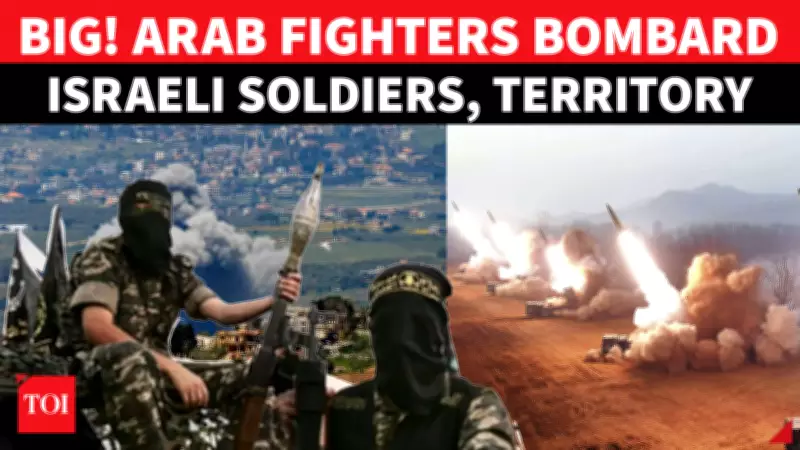
In response to the Israeli strikes, Hezbollah launched a wave of "precision attacks" on IDF positions in southern Lebanon. The group fired at least 20 rockets at Israeli targets, though most were intercepted or fell in open areas. The exchange of fire has heightened fears of a broader conflict, especially as regional tensions remain high due to ongoing issues with Iran and other proxies.
The situation in southern Lebanon remains volatile, with both sides showing no signs of de-escalation. The international community has called for restraint, but the cycle of attack and retaliation continues to intensify.