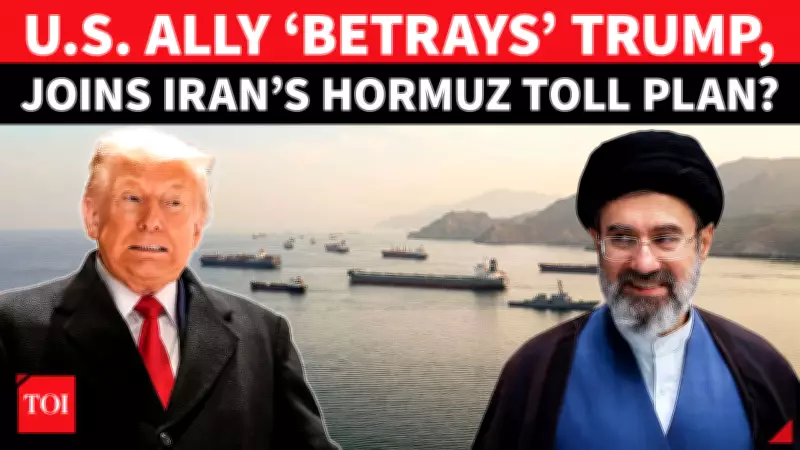
The confrontation over the Strait of Hormuz is far from over. Iran is now seeking to formalize its control over the strategic waterway by proposing a permanent toll system in collaboration with Oman. Tehran argues that the cost of securing and managing this critical oil chokepoint should be borne by the nations that benefit from its use.
Iran's Proposal for a Toll System
According to Iranian officials, discussions are underway with Oman to regulate traffic through the Strait of Hormuz via a toll payment agreement. This proposal follows months of conflict, shipping disruptions, and soaring energy prices triggered by the US-Israeli confrontation with Iran. Tehran asserts that countries relying on Hormuz for oil transit must "pay their share" for the security and maintenance of the waterway.
Impact on Global Energy Markets
The Strait of Hormuz is one of the world's most vital oil chokepoints, through which about 20% of global petroleum passes. Any disruption or increased cost of transit could have severe implications for global energy prices. The proposed toll system could further strain relations with the United States and its allies, who have long opposed Iranian control over the strait.

Reactions from the United States
Former President Donald Trump, a key figure in US-Iran tensions, is reportedly angered by Iran's latest move. The proposal could be seen as a direct challenge to US interests in the region. The US has previously conducted freedom of navigation operations in the strait to counter Iranian threats.
Broader Context of US-Iran Conflict
The toll proposal comes amid a broader backdrop of conflict. The US and Israel have been involved in a prolonged confrontation with Iran, leading to shipping chaos and energy price hikes. Iran's Revolutionary Guard Corps (IRGC) has previously threatened consequences for US actions, and recent reports indicate that Iran has shot down nearly 30 US Reaper drones. The situation remains volatile, with NATO allies also on alert due to Russian warnings over Ukraine.
Regional and International Implications
The proposed toll system with Oman could reshape regional dynamics. Oman has historically played a mediating role in the region. If the deal goes through, it could set a precedent for other strategic waterways. However, it also risks escalating tensions with the US and its allies, potentially leading to further military confrontations.
In summary, Iran's move to establish a toll system for the Strait of Hormuz represents a significant escalation in the ongoing conflict. It aims to monetize control over a critical global resource, but at the cost of further antagonizing the United States and disrupting global energy markets.