Hezbollah Rockets Strike Northern Israel, Triggering Israeli Retaliation
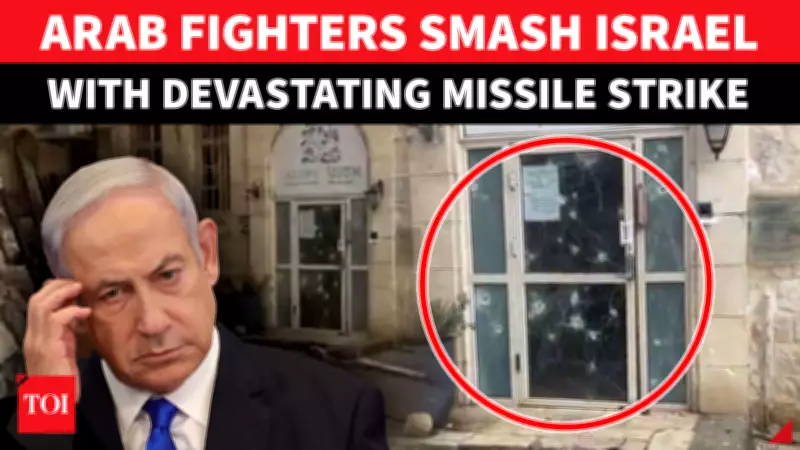
Rockets launched by the Lebanese militant group Hezbollah targeted the northern Israeli city of Safed, setting off air raid sirens across the Galilee and Golan Heights regions. The attack resulted in minor structural damage but no reported injuries, according to initial assessments by Israeli authorities.
Escalation Follows Deadly Israeli Strike on Lebanese Health Center
The rocket barrage comes in response to an earlier Israeli military operation that struck a health facility in southern Lebanon, killing twelve medical workers. Israel maintains that Hezbollah has been utilizing such civilian infrastructure for military purposes, a claim vehemently denied by Lebanese officials.
Israeli forces have expanded their retaliatory measures, conducting additional precision strikes against what they describe as Hezbollah-linked financial institutions and media operations within Lebanon. These actions aim to degrade the group's operational capabilities and funding networks.

Clashes Intensify Along the Israel-Lebanon Border
Concurrently, the Israel Defense Forces reported engaging in direct ground clashes with Hezbollah militants in southern Lebanon. These confrontations resulted in the deaths of four Hezbollah operatives, further exacerbating the volatile security situation along the border.
The cross-border hostilities represent a significant escalation in long-standing tensions, raising concerns about the potential for a broader regional conflict. Both sides have exchanged fire with increasing frequency and intensity in recent weeks.
Analysis of the Broader Conflict Dynamics
The recent exchange underscores the fragile and complex nature of the Israel-Lebanon frontier. Key factors contributing to the current crisis include:
- Hezbollah's entrenched military presence in southern Lebanon.
- Israel's stated policy of holding Lebanon accountable for attacks originating from its territory.
- The use of civilian sites, disputed by both sides, complicating military engagements.
- The risk of miscalculation leading to a wider war involving other regional actors.
International observers are closely monitoring the situation, urging restraint from all parties to prevent further civilian casualties and regional destabilization. The cycle of attack and retaliation threatens to unravel years of relative calm along this contentious border.