Hezbollah Engages Israeli Forces in Lebanon as Second Helicopter Operation Reportedly Fails
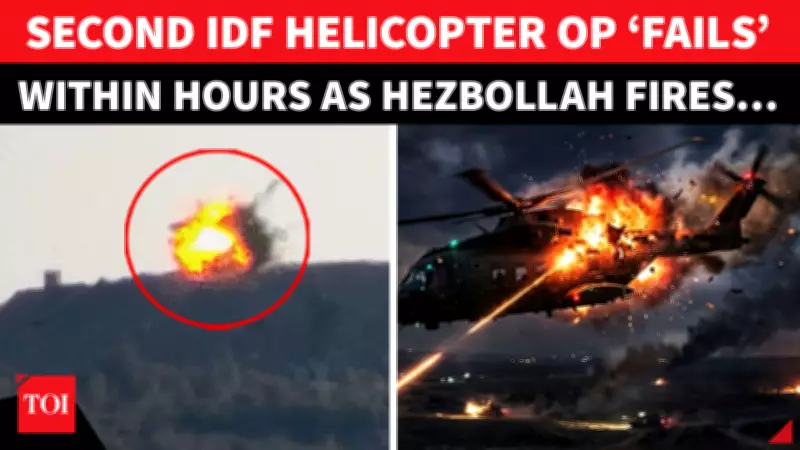
Tensions have surged dramatically along the volatile Israel–Lebanon frontier, with fierce clashes erupting in eastern Lebanon on March 9, 2026. The Lebanese militant group Hezbollah has declared that it confronted Israeli forces during what it describes as a failed second attempt at a helicopter landing operation near the town of Nabi Sheet.
Details of the Confrontation
According to Hezbollah statements, approximately fifteen Israeli helicopters approached from Syrian airspace, flying over several Lebanese villages including Janta, Yahfoufa, Arsal, and Ras Baalbek. The aircraft reportedly aimed to deploy troops near the sensitive Lebanon–Syria border region. Hezbollah fighters assert that they engaged both the incoming aircraft and ground forces, with unconfirmed reports suggesting that one helicopter may have been struck during the intense exchange of fire.
Escalation of Hostilities
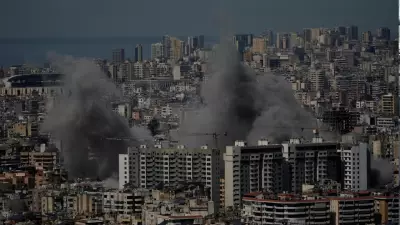
The confrontation occurred amidst a significant escalation in regional military activity. Israeli warplanes and drones have intensified their flights over the area, while Hezbollah has retaliated by launching rockets toward northern Israeli settlements. This cycle of attacks and counterattacks marks a dangerous uptick in hostilities, raising concerns about a broader conflict.
Hezbollah's claims highlight the group's readiness to resist Israeli incursions, emphasizing their capability to challenge advanced military operations. The alleged failure of the helicopter landing operation, if verified, could represent a tactical setback for Israeli forces in the region.
Regional Context and Implications
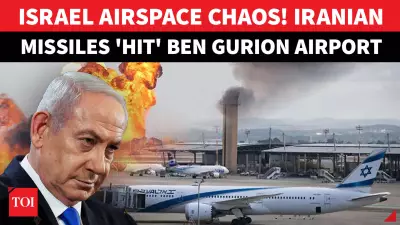
The clashes unfold against a backdrop of heightened tensions involving Iran and its proxies across the Middle East. Recent incidents, such as reported strikes on US military bases in the Gulf and missile attacks in Tel Aviv, suggest a coordinated pattern of escalation. Hezbollah's actions in Lebanon are viewed as part of this broader regional strategy, potentially testing Israeli defenses and international responses.
The situation remains fluid, with both sides likely to adjust their military postures in response to these developments. Observers warn that continued skirmishes could spiral into a more extensive confrontation, impacting stability in Lebanon and beyond.
International Reactions and Monitoring
Global powers are closely monitoring the escalation, given the potential for wider regional conflict. The involvement of Syrian airspace and the proximity to the Lebanon–Syria border add layers of complexity, involving multiple state and non-state actors. Diplomatic efforts may be strained as military actions take precedence, with the risk of miscalculation high in such a volatile environment.
In summary, the reported failure of a second Israeli helicopter operation in Lebanon, as claimed by Hezbollah, underscores the ongoing and intensifying military tensions along the Israel–Lebanon border. With both sides engaged in active hostilities, the region braces for possible further escalation in the coming days.