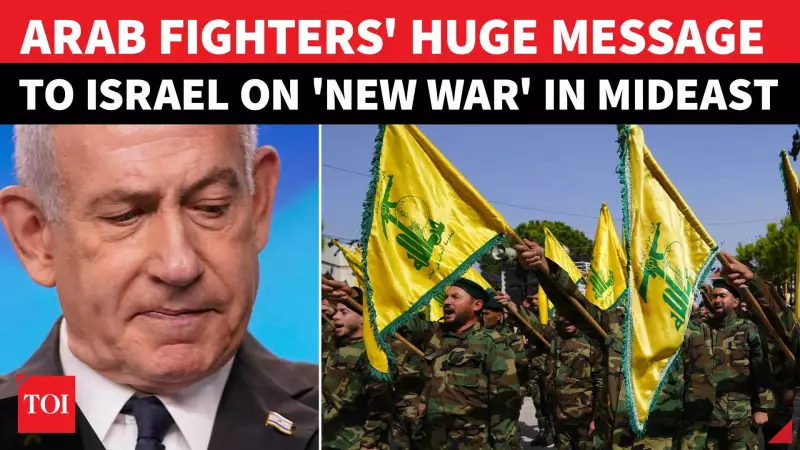
In a significant escalation of tensions, Israel conducted a targeted strike in Beirut on November 24, 2025, resulting in the death of senior Hezbollah commander Haytham Ali Tabatabai. The attack has prompted the militant group to consider a strong response while accusing Israel of violating ceasefire agreements with American support.
Hezbollah's Response to the Attack
Hezbollah leaders have condemned the strike as a fresh breach of the ceasefire between the two sides. The group has accused Israel of deliberately escalating tensions with what they claim is American backing. Senior Hezbollah officials have vowed to respond to what they describe as an act of aggression, though the timing and nature of their response remain uncertain.
The killing of Tabatabai, who served as the chief of Hezbollah's military wing, represents one of the most significant blows to the organization in recent years. The strike occurred hours before the group began deliberations about their course of action, with various factions within Hezbollah debating the appropriate level of response.

Regional Implications and Expert Analysis
Security analysts monitoring the situation suggest that Hezbollah may avoid immediate retaliation to prevent triggering a wider regional war. The group faces a complex calculation: responding forcefully enough to maintain credibility among its supporters while avoiding actions that could lead to full-scale conflict with Israel.
Experts have noted that Washington appears to be reinforcing Israeli operations across the Middle East, indicating increased American involvement in regional security matters. This development comes amid ongoing tensions between Israel and various militant groups in the region, including recent conflicts with Hamas in Gaza.
Broader Context of Regional Tensions
The Beirut strike occurs against a backdrop of heightened regional instability. Recent statements from Israeli Prime Minister Netanyahu declaring that Gaza bombing operations will continue despite Hamas warnings have further complicated the security landscape. Israel has simultaneously been targeting Hezbollah positions, indicating a multi-front approach to security threats.
The situation remains fluid, with international observers closely monitoring Hezbollah's next moves. The group's decision could significantly impact regional stability and potentially draw in other actors in the ongoing Middle East conflicts. The international community continues to call for restraint from all parties involved.