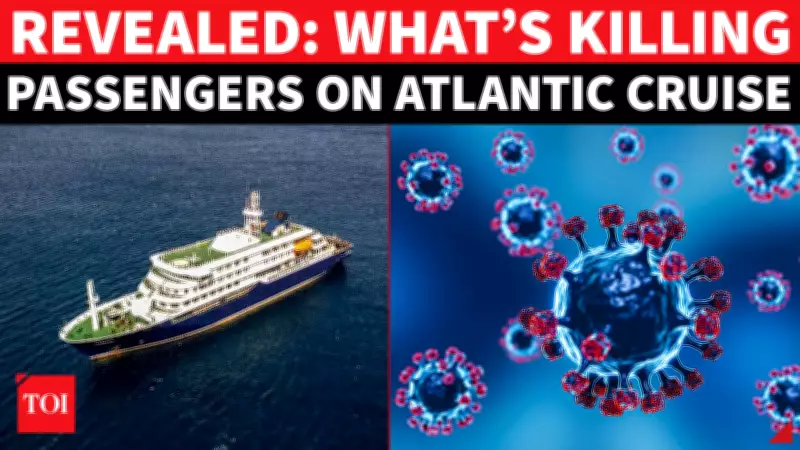
A luxury polar voyage has turned into a medical nightmare following a suspected hantavirus outbreak aboard the MV Hondius cruise ship. Multiple passengers have died, and several others are in critical condition as health authorities race to contain the rare rodent-borne virus. The World Health Organization (WHO) is coordinating evacuations, while passengers remain stranded off the coast of Cape Verde.
What is Hantavirus?
Hantavirus is a severe viral disease transmitted through contact with rodents or their droppings. It can cause Hantavirus Pulmonary Syndrome (HPS), which has a fatality rate of up to 40%. There is no specific cure or vaccine, making early detection and supportive care critical.
How Did the Outbreak Start?
Investigators are trying to determine how the virus spread on the ship. Possible sources include contaminated food, water, or air conditioning systems. The ship's itinerary included remote polar regions where rodents may have been present.

Global Concern
The incident has raised alarm worldwide, as hantavirus outbreaks are rare outside rural areas. The WHO has issued a health alert, and neighboring countries are on high alert for potential cases among disembarked passengers.
Response and Evacuation
Medical teams from the WHO and local health authorities have been deployed to the ship. Critically ill patients are being evacuated to hospitals in Cape Verde and other nations. The remaining passengers are under quarantine while testing and disinfection are underway.
What Passengers Should Know
Authorities advise anyone with symptoms—fever, muscle aches, fatigue, and difficulty breathing—to seek immediate medical attention. The incubation period ranges from one to eight weeks, so monitoring is essential.
This outbreak underscores the challenges of managing rare diseases in confined environments like cruise ships. As investigations continue, the global health community is on high alert.