

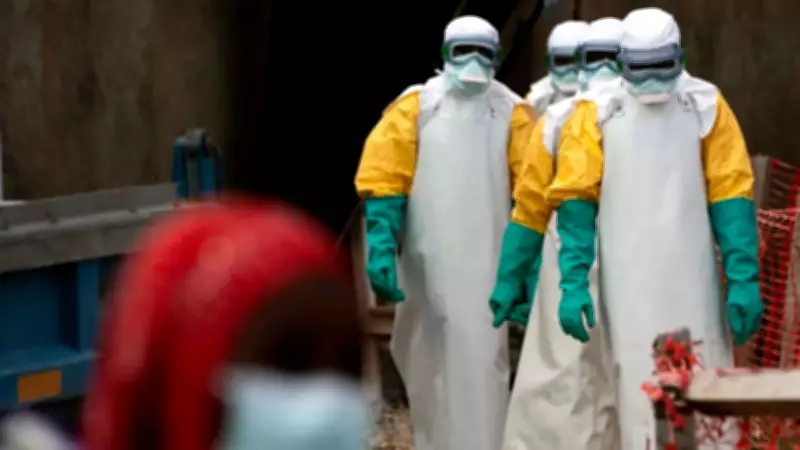
The world is watching with growing concern as Ebola spreads rapidly in the Democratic Republic of Congo and Uganda. The World Health Organization has already declared the situation a global health emergency. What began as mysterious illnesses and a handful of unexplained deaths in eastern Congo has escalated into a major crisis, with hundreds of suspected infections, cross-border movement, strained hospitals, and fears that the situation could worsen further.
A Rare and Dangerous Strain
This outbreak is not caused by the typical Ebola virus. According to AP News, it involves the Bundibugyo strain, which is rarely encountered, and there is no approved vaccine or treatment for it. The virus has already claimed at least 100 lives officially, but experts believe the true number is much higher due to underreporting. The WHO suspects the virus was circulating for weeks before it was identified.
Conflict and Weak Healthcare Fuel the Crisis
The emergency is compounded by the region's challenges, including armed conflict, displacement, weak healthcare infrastructure, and high levels of cross-border movement. These factors make containment extremely difficult.

Late April 2026: First Deaths and Missed Warning Signs
The outbreak likely began in late April in Congo's Ituri province, near Uganda and South Sudan. One of the earliest known cases was a healthcare worker in Bunia who died around April 24–27. The body was transported to Mongbwalu, and it is suspected that Ebola spread during funeral contact. Initially, the illness was not recognized as Ebola, and this delay proved costly. Because the Bundibugyo strain is rare, standard tests did not detect it immediately, and several patients died before labs confirmed the outbreak.
Early May: Cases Multiply
Suddenly, clusters of cases emerged in different health zones. Doctors observed classic symptoms: fever, vomiting, diarrhea, weakness, internal bleeding, and rapid decline. Rumors spread online even before official announcements. Containment efforts quickly failed as infected individuals traveled between towns before diagnosis, and many families avoided hospitals out of fear. Several healthcare workers died while treating patients, heightening concerns. The WHO later confirmed at least four healthcare worker deaths due to suspected Ebola.
Mid-May: Uganda Reports Cases
The situation worsened around May 15–16 when Uganda confirmed two cases in Kampala, both travelers from Congo. One of them died. This cross-border spread caused panic. Uganda has experience with Ebola, but Bundibugyo is so rare that no vaccine or treatment was available. By then, the suspected case count was rising sharply.
May 17: WHO Escalates Response
On May 17, the WHO declared the outbreak a Public Health Emergency of International Concern, the highest global alert. The decision was based on several factors: confirmed spread into Uganda, rapid increase in suspected cases, uncertainty about the true scope, ongoing conflict in eastern Congo, and the lack of a specific vaccine or treatment for Bundibugyo. At that time, Congo reported 246 suspected cases, eight confirmed, and at least 80 deaths across key health zones. Uganda had also confirmed additional cases. Experts emphasized that the numbers likely underestimate the true danger.
May 18–19: Death Toll Surpasses 100
By May 18 and 19, deaths exceeded 100. The outbreak now affected major urban centers, particularly Goma, a densely populated city with links to neighboring countries. This development raised alarms because Goma serves as a transportation hub, and a surge there could lead to wider spread. The Africa CDC reported that suspected cases had surpassed 300 by that weekend.
Why This Outbreak Is Particularly Dangerous
Ebola spreads through direct contact with bodily fluids. Symptoms include fever, pain, sore throat, followed by vomiting, diarrhea, internal bleeding, and organ failure. However, this crisis is more severe for several reasons:

- The Bundibugyo strain is rare, with no approved vaccine or targeted treatment.
- The outbreak is occurring in eastern Congo, where violence, displacement, and weak health infrastructure hinder containment.
- The virus circulated silently for weeks, meaning transmission chains could be much larger than currently known.
The WHO states that this is not technically a pandemic, but it is urging neighboring countries to enhance screening, strengthen hospitals, and remain vigilant for imported cases. The outcome depends on the speed and effectiveness of the regional and global response. The outbreak could remain contained or escalate into a major health disaster.





