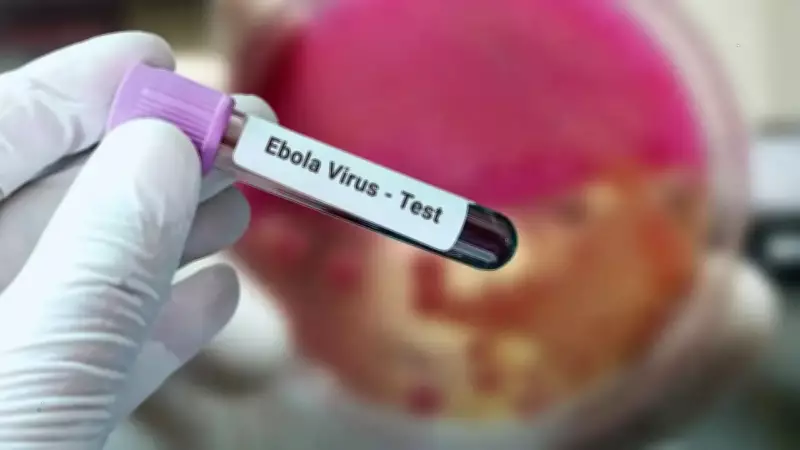
Ebola in Europe? Italy Reports 2 Suspected Cases in Milan
Ebola has once again raised global concern, not only in the Democratic Republic of Congo or Uganda but now in Europe. Italy has flagged two suspected Ebola cases in Milan involving aid workers who recently returned from Uganda. Authorities emphasize that the public is at low risk, but the situation underscores how quickly infectious diseases can cross borders in an interconnected world.
According to Italian and European officials, both individuals are from Lombardy. They developed symptoms including fever, vomiting, nausea, and diarrhea shortly after a three-month stint in Uganda. They were promptly admitted to infectious disease hospitals in Milan, where strict testing and isolation protocols were initiated.
What Is Happening in Italy?
Per Euronews, the suspected cases in Milan come at a sensitive time. The World Health Organization has already declared the ongoing Ebola outbreak linked to the Bundibugyo strain in parts of the DRC and Uganda a Public Health Emergency of International Concern. Although no confirmed Ebola transmission has occurred in Italy, experts view this as a critical wake-up call. Staying alert, understanding risks, and taking basic precautions are essential, especially for travelers.

Italian officials stress that the cases remain under investigation, and other illnesses such as malaria are also being considered. Lombardy authorities have activated emergency infectious disease protocols as a precautionary measure, not as evidence of community spread.
Ebola Outbreak: Key Facts
Ebola is a severe viral disease transmitted primarily through direct contact with bodily fluids such as blood, sweat, vomit, saliva, or urine, or via contaminated surfaces. Unlike airborne viruses like COVID-19, Ebola does not spread easily through casual contact or proximity. European health agencies rate the risk for the general public as very low.
Nevertheless, infectious disease experts advise travelers to stay informed, especially when visiting outbreak-affected regions. The current outbreak involves the Bundibugyo strain, a rarer type of Ebola with no approved vaccine or specific antiviral treatment. WHO reports hundreds of suspected cases and dozens of deaths in Central Africa, complicated by conflict, population movement, and fragile healthcare systems.
How Travelers Can Protect Themselves
Avoid Contact with Sick Individuals and Bodily Fluids
The most effective way to prevent Ebola infection while traveling is to avoid direct contact with bodily fluids or visibly ill people. Ebola becomes contagious only after symptoms appear, such as fever, weakness, vomiting, diarrhea, or unexplained bleeding. Healthcare workers, aid staff, and caregivers face higher risks. WHO recommends strict hygiene and protective equipment in high-risk settings.
Practice Frequent Hand Hygiene
Handwashing is a critical protective measure. Use soap and water or alcohol-based sanitizer frequently, especially after touching public surfaces in airports, transport, hospitals, or crowded places.
Avoid Bushmeat and Wild Animals
Ebola outbreaks often originate from infected animals like bats or primates. WHO and European health authorities advise travelers to avoid handling dead animals or consuming undercooked wild meat in affected regions.
Monitor Symptoms After Travel
Ebola's incubation period ranges from 2 to 21 days, so symptoms may not appear immediately. After visiting affected areas, watch for fever, vomiting, fatigue, bruising, or bleeding. If symptoms develop, seek medical attention promptly and inform healthcare providers of your travel history.
Rely on Trusted Health Information
Misinformation spreads faster than viruses during health scares. Avoid fear-mongering on social media and trust updates from organizations like WHO, the European Centre for Disease Prevention and Control, and national health ministries.
Italy's Response to Suspected Cases
Italy has intensified airport screening for arrivals from Uganda or Congo, including questionnaires, temperature checks, and enhanced surveillance at Milan Malpensa and Rome Fiumicino airports. Officials await lab results while promoting calm preparedness rather than panic. These suspected cases serve as a reminder that disease surveillance must extend beyond borders.

For travelers, the key takeaways are clear: stay informed, practice good hygiene, and seek medical help quickly if symptoms arise. This advice applies not only to Ebola but to any emerging health threat.