Drone Strike Targets Kurdish Fighters in Northern Iraq
In a significant escalation of regional hostilities, a drone attack has struck a military base operated by the Kurdistan Freedom Party (PAK) near Erbil, the capital of Iraq's Kurdistan Region. The incident, which occurred amid ongoing tensions with Iran, resulted in three fighters sustaining injuries. This attack underscores the volatile security situation in Northern Iraq, even as a ceasefire holds in the Strait of Hormuz.
Details of the Coordinated Assault
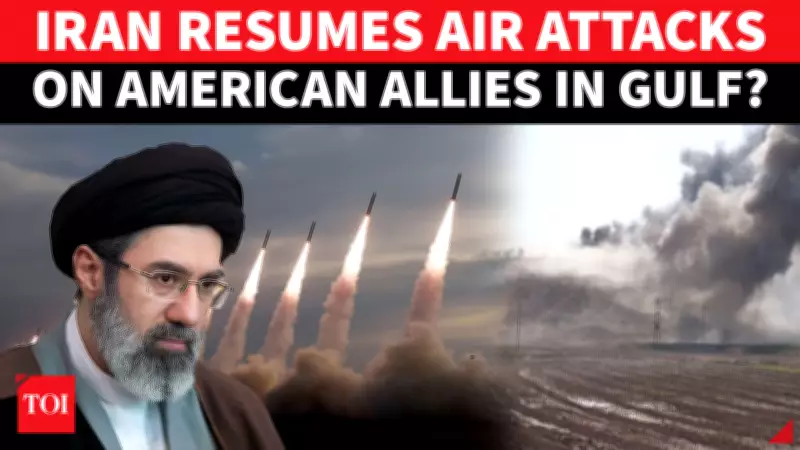
According to reports, the assault involved four drones that were launched in a coordinated manner, targeting the PAK base in the Khabat district. The attack caused explosions and sent plumes of smoke billowing into the sky, visible from surrounding areas. Local authorities confirmed that multiple fighters were wounded, with three individuals reported to have suffered injuries from the impact and subsequent debris. The Kurdistan Freedom Party, an opposition group often at odds with Iranian interests, has been a frequent target in what analysts describe as Tehran's shadow war against Kurdish factions.
Context of Regional Tensions
This drone strike comes at a critical juncture, following President Trump's recent announcement of an "indefinite" extension of a truce in the Strait of Hormuz. Despite this diplomatic move, the attack highlights how conflicts can shift geographically, raising questions about the sustainability of ceasefires when violence merely relocates across borders. Iran has long been accused of supporting proxy groups and conducting covert operations against Kurdish opposition in Iraq, as part of its broader regional strategy to counter perceived threats.

Implications for Regional Stability
The incident has sparked concerns among international observers about the potential for further escalation. With smoke rising over Erbil, the world is left pondering whether a ceasefire can truly hold if fighting simply migrates to new fronts. This attack not only jeopardizes the fragile peace in the Middle East but also complicates ongoing diplomatic efforts, including talks involving Iran, the U.S., and other regional powers. The Kurdistan Region, already grappling with internal challenges, now faces increased security risks from external actors.
Broader Impact on Kurdish Communities
Beyond the immediate casualties, the drone strike has heightened fears among Kurdish populations in Iraq and neighboring countries. Kurdish groups have historically sought greater autonomy and rights, often clashing with central governments and regional powers like Iran. This latest assault serves as a stark reminder of the persistent threats faced by these communities, even in times of nominal ceasefire. It also underscores the need for robust international monitoring and conflict resolution mechanisms to address such cross-border incidents effectively.

- The attack involved four drones targeting a Kurdistan Freedom Party base near Erbil.
- Three fighters were injured, with no fatalities reported so far.
- This occurs despite a ceasefire in the Strait of Hormuz, highlighting shifting conflict zones.
- Iran is suspected of involvement, as part of its ongoing shadow war against Kurdish opposition.
- The incident raises questions about the durability of regional peace agreements.