

Drone Boats in Deadly Waters: How Unmanned Vessels Are Reshaping the Iran War
In a significant escalation of maritime tactics, Iran has reportedly utilized low-cost unmanned speedboats to launch attacks on commercial oil tankers in the strategically vital Gulf region. According to recent reports, these incidents have occurred at least twice since the initiation of strikes by the United States and Israel approximately one month ago.
Iran's Deployment of Unmanned Naval Assets
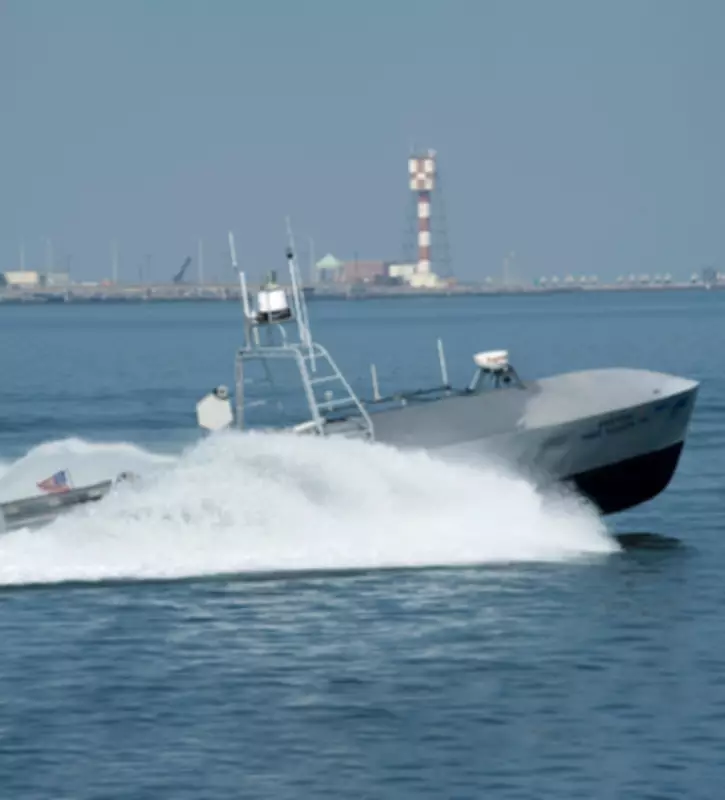
The Iranian military has leveraged these drone boats, often referred to as sea drones, to target oil tankers navigating through the Gulf's treacherous waters. This move represents a strategic shift towards asymmetric warfare, allowing Iran to project force while minimizing risks to human personnel and reducing operational costs. The attacks underscore the growing reliance on unmanned technology in modern naval conflicts, where traditional warships face new, agile threats.
US Countermeasures with Operation Epic Fury
In response to these developments, the United States has deployed its own fleet of similar unmanned vessels as part of "Operation Epic Fury," a military initiative aimed at countering Iranian aggression. The Pentagon confirmed that these sea drones are now actively patrolling key maritime zones, enhancing surveillance and defensive capabilities. This deployment highlights the US military's adaptation to evolving threats, integrating advanced autonomous systems to maintain dominance in contested waters.

The strategic implications of this unmanned naval arms race are profound. By employing sea drones, both nations are redefining naval engagement protocols, potentially lowering the threshold for conflict due to the reduced human cost. Experts warn that this could lead to increased volatility in the region, as unmanned systems enable more frequent and covert operations.
As the conflict intensifies, the use of drone boats is expected to expand, with implications for global shipping security and international maritime law. The Gulf, a critical chokepoint for oil exports, now faces heightened risks from these unmanned threats, prompting calls for enhanced defensive measures from allied nations.
In summary, the Iran war has entered a new phase where unmanned vessels play a central role, reshaping naval warfare dynamics and posing fresh challenges to regional stability.






