In a significant development for Iraq's democratic process, thousands of displaced Yazidis and security forces participated in early voting for the country's parliamentary elections on Sunday. This special voting arrangement allowed those who might face difficulties on the main election day to exercise their democratic rights.
Historic Participation for Persecuted Community
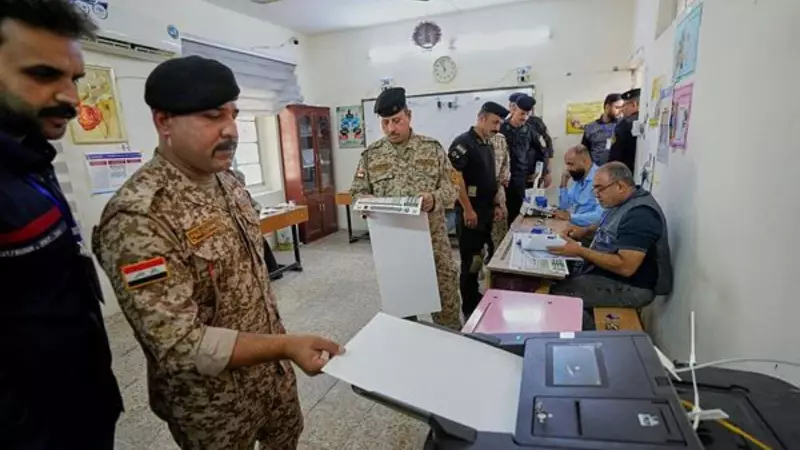
The early voting session, which took place on Sunday, saw nearly 700,000 security force members and approximately 120,000 displaced citizens casting their ballots ahead of the general population. Among these displaced voters, the Yazidi community featured prominently, many of whom remain in camps years after escaping the brutal Islamic State onslaught that targeted their religious group specifically.
The Independent High Electoral Commission (IHEC) organized this special voting day to ensure that security personnel who would be deployed on regular election day, along with displaced populations, could participate without disruption. This marks Iraq's first parliamentary election since 2021, coming at a critical juncture for the nation's political landscape.

Voting Amid Ongoing Challenges
For the Yazidi community, this election represents more than just political participation—it symbolizes their continued struggle for recognition and justice. Many Yazidi voters traveled from displacement camps to designated polling stations, determined to make their voices heard despite the trauma they've endured.
"We came today to change the current political class and to vote for those who we think will serve our community and our people," stated one Yazidi voter, reflecting the sentiment of many who feel marginalized by the existing political establishment. The community has long demanded better representation and accountability for the atrocities committed against them.
The electoral process unfolded under tight security measures, with Iraqi forces ensuring safe access to polling stations. International observers monitored the proceedings to guarantee transparency and fairness in the voting process, particularly given the sensitive nature of including displaced communities.
Broader Electoral Context and Implications
Sunday's early voting sets the stage for the main parliamentary elections scheduled for the broader population. The outcomes will determine the composition of Iraq's 329-seat Council of Representatives, which in turn will influence the formation of the new government and selection of the next prime minister.
The participation of displaced communities, particularly the Yazidis, demonstrates Iraq's ongoing efforts to build a more inclusive democracy. However, significant challenges remain, including ensuring that election results truly translate into improved conditions and greater protection for vulnerable minority groups.
As one electoral official noted, "The strong turnout among displaced voters sends a powerful message about their determination to remain engaged in Iraq's political future, despite the immense hardships they've faced."
The successful conduct of early voting has raised hopes for a smooth general election process, though the true test will come in whether the newly elected representatives can address the pressing concerns of all Iraqi citizens, including those still displaced from their homes years after the conflict with Islamic State.