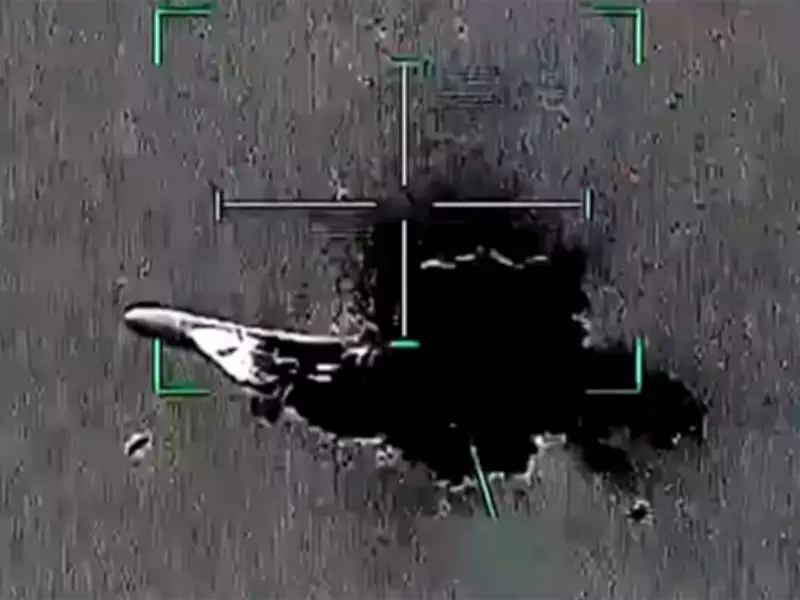
Debris from Intercepted Aerial Threat Strikes Dubai Building, Saudi Arabia Downs Drones in Al Kharj
In a significant escalation of regional tensions linked to the ongoing Iran-US conflict, debris from an intercepted aerial threat fell on a building in Dubai's bustling city centre. Simultaneously, Saudi Arabia reported successfully downing drones in the Al Kharj region, highlighting the widening impact of the geopolitical strife.
Incident in Dubai's City Centre
Authorities in Dubai confirmed that debris from an intercepted aerial object, described as a potential threat, impacted a building in the heart of the city. The incident occurred during heightened security measures, with no immediate reports of casualties or major structural damage. Emergency services responded swiftly to assess the situation and ensure public safety.
This event underscores the vulnerability of urban centres in the region to fallout from aerial conflicts. Dubai, a major global hub for business and tourism, has not previously experienced such direct impacts from regional military actions, raising concerns about the spillover effects of the Iran-US standoff.

Saudi Arabia's Drone Interceptions in Al Kharj
In a separate but related development, Saudi Arabia's defense forces intercepted and downed multiple drones in the Al Kharj area. The drones were reportedly launched from sources aligned with Iran-backed groups, targeting critical infrastructure or military installations.
This marks a continuation of similar incidents in recent months, as Saudi Arabia has frequently faced drone and missile attacks from Houthi rebels in Yemen, who are supported by Iran. The successful interception prevented potential damage and casualties, but it highlights the persistent threat posed by asymmetric warfare tactics in the region.
Broader Context of Iran-US Tensions
The incidents in Dubai and Al Kharj occur against a backdrop of escalating tensions between Iran and the United States. Key factors include:
- Nuclear Deal Stalemate: Stalled negotiations over Iran's nuclear program have led to increased hostilities and proxy conflicts.
- Regional Proxy Wars: Iran's support for groups in Yemen, Syria, and Iraq has fueled conflicts that often spill into neighboring countries.
- Military Posturing: Both Iran and the US have engaged in military drills and deployments, raising the risk of accidental clashes.
Experts warn that such incidents could escalate into broader confrontations if not managed carefully. The debris falling in Dubai, in particular, signals how urban areas far from direct conflict zones can be affected by aerial engagements.
Regional Security Implications
These events have prompted calls for enhanced regional cooperation on air defense and threat detection. Countries in the Gulf region, including the UAE and Saudi Arabia, are investing in advanced missile defense systems, but the evolving nature of drone threats poses ongoing challenges.
The international community is closely monitoring the situation, urging de-escalation to prevent further instability. With global energy markets sensitive to Middle East tensions, any escalation could have far-reaching economic consequences.
In summary, the debris incident in Dubai and drone interceptions in Saudi Arabia serve as stark reminders of the tangible impacts of the Iran-US conflict on civilian and strategic sites. As tensions simmer, regional security remains precarious, with authorities on high alert for further threats.