Colombia Guerrilla Clashes Leave 27 Dead in Factional Violence
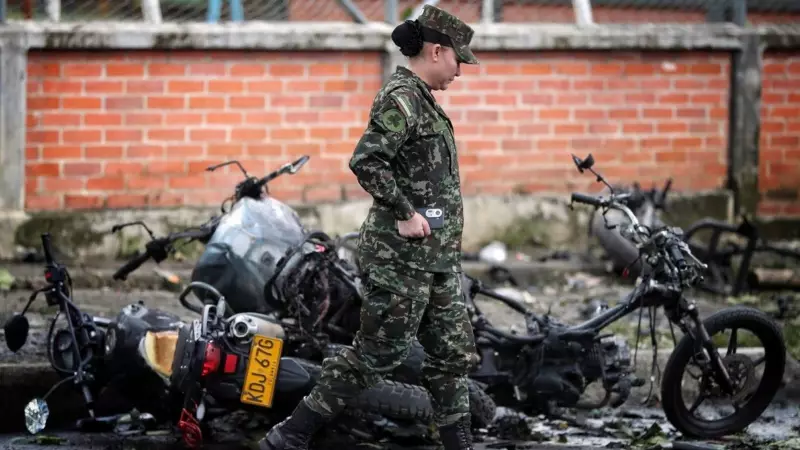
Military authorities in Colombia reported a deadly confrontation between rival guerrilla factions on Sunday. The clashes resulted in at least 27 fatalities, marking one of the most violent incidents in recent months.
Location and Strategic Importance
The fighting erupted in the rural municipality of El Retorno, located in the Guaviare department. This region sits approximately 300 kilometers southeast of Bogota. Military sources described the area as strategically vital for cocaine production and trafficking operations.
Rival Factions Involved
The conflict involved two splinter groups that were once united under the Central General Staff. They separated in April 2024 due to internal disputes.

One faction is led by Nestor Gregorio Vera, who operates under the war name Ivan Mordisco.
The other faction is commanded by Alexander Diaz Mendoza, known as Calarca Cordoba.
According to two anonymous military sources, all 27 casualties belonged to Vera's group. A leader from Diaz's faction independently confirmed the death toll to Reuters.
Diverging Paths and Peace Efforts
The two groups now follow different strategies regarding Colombia's peace process.
Diaz's faction is currently engaged in peace talks with President Gustavo Petro's government.
In contrast, Vera's group continues hostilities after the government suspended a bilateral ceasefire with them.
Both factions had previously rejected the landmark 2016 peace agreement. That agreement allowed around 13,000 FARC members to disarm and reintegrate into civilian life.
Broader Context of Colombia's Conflict
Colombia's armed conflict has persisted for over six decades. It has primarily been financed through drug trafficking and illegal mining activities.
The prolonged violence has resulted in more than 450,000 deaths and displaced millions of people. President Petro's current peace initiatives face significant challenges and appear stalled.
This latest outbreak of factional fighting underscores the fragile security situation in regions crucial to the drug trade. It highlights the ongoing difficulties in achieving lasting peace among remaining armed groups.