

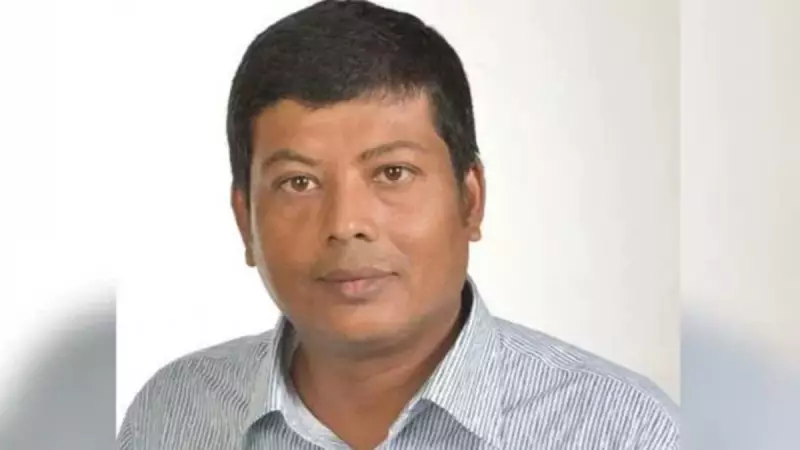
Violence has intensified across Bangladesh in the lead-up to the national elections, with a senior opposition leader becoming the latest victim. Azizur Rahman Musabbir, a prominent leader of the Bangladesh Nationalist Party (BNP), was shot dead in the capital city of Dhaka. This incident has sent shockwaves through the political landscape, raising serious concerns about the security situation and the environment in which the polls are being conducted.
Details of the Dhaka Shooting
The fatal attack occurred on Sunday, January 7, 2024, just as the country was preparing to vote. According to reports, Musabbir, who served as the joint secretary of the BNP's Dhaka Metropolitan South unit, was targeted in the city's Jatrabari area. He was reportedly shot by unidentified assailants, leading to his immediate death. The killing took place amidst a tense atmosphere where the main opposition party, the BNP, has been boycotting the elections, alleging they are neither free nor fair under the current Awami League government.
Local sources indicate that the area was already on edge due to pre-poll clashes between supporters of rival political groups and law enforcement agencies. The assassination of a well-known political figure in broad daylight underscores the severe breakdown of order. Authorities have launched an investigation, but no arrests have been announced yet, deepening the sense of impunity and fear.

Nationwide Pre-Election Unrest
The death of Azizur Rahman Musabbir is not an isolated event but part of a larger pattern of escalating violence. In the days and weeks leading to the January 7 polls, Bangladesh has witnessed widespread protests, street battles, and arson attacks. The BNP and other opposition groups have been demanding the resignation of Prime Minister Sheikh Hasina's government and the installation of a neutral caretaker administration to oversee the elections.
Their boycott has turned the electoral process into a largely one-sided affair, but it has also led to massive demonstrations. Government responses have often involved a strong crackdown, including the use of tear gas, rubber bullets, and mass arrests. Reports from various districts, including Chittagong and Khulna, confirm numerous incidents of clashes resulting in injuries to both civilians and police personnel. The political stalemate has effectively paralyzed normal life in many urban centres.
Reactions and International Concern
The killing of the BNP leader has drawn swift condemnation from within Bangladesh and from international observers. The BNP has termed it a "planned political assassination" aimed at silencing dissent and creating an atmosphere of terror. Party officials have accused the ruling party of using state machinery to suppress opposition voices violently.
Human rights organizations and foreign missions have expressed deep concern over the deteriorating situation. There are growing calls for an independent and transparent investigation into Musabbir's murder and for all sides to exercise restraint. The United Nations and several Western nations have reiterated the need for inclusive, participatory, and peaceful elections, a scenario that seems increasingly distant as the death toll rises.
The current crisis poses a significant challenge to Bangladesh's democratic credentials and stability. With the election results considered a foregone conclusion by many analysts due to the boycott, the focus has shifted entirely to the escalating human cost and the potential for prolonged civil unrest in the post-poll period. The nation now watches anxiously to see if the violence will subside or if the death of Azizur Rahman Musabbir will become a catalyst for further conflict.






