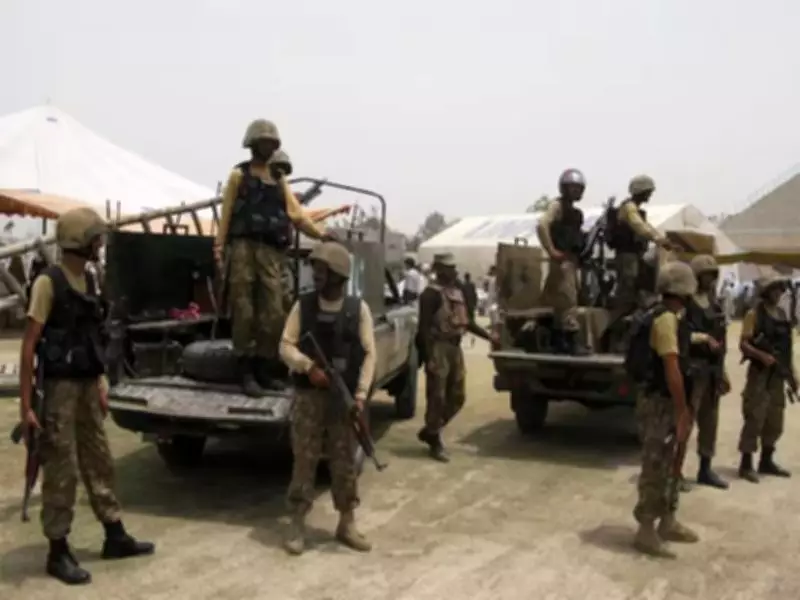
Pakistani Drone Strike in Balochistan Ignites Civilian Casualty Concerns
A recent drone strike conducted by Pakistani military forces in the restive province of Balochistan has sparked significant alarm over potential civilian casualties, as the region grapples with persistent military operations. This incident underscores the escalating tensions and humanitarian risks in an area long plagued by conflict and insurgency.
Details of the Drone Strike and Its Immediate Aftermath
The drone strike, reportedly carried out by Pakistani security forces, targeted what officials described as militant hideouts in Balochistan. However, initial reports from local sources and human rights groups suggest that the attack may have resulted in unintended harm to non-combatants, including women and children. The exact number of casualties remains unconfirmed, with conflicting accounts emerging from government statements and independent observers.
This event occurs against a backdrop of intensified military campaigns in Balochistan, where Pakistan has been conducting operations to curb separatist movements and militant activities. The use of drone technology in such operations has become increasingly common, raising ethical and legal questions about precision and collateral damage.

Growing Concerns Over Civilian Safety and Human Rights
The drone strike has amplified longstanding concerns about the safety of civilians in conflict zones within Pakistan. Human rights organizations have repeatedly warned that military actions in Balochistan often lead to disproportionate harm to local populations, exacerbating grievances and fueling further unrest.
Key issues highlighted by this incident include:
- Transparency and accountability in military operations, with calls for independent investigations into civilian deaths.
- The psychological and social impact on communities, who face constant fear and displacement due to ongoing hostilities.
- International scrutiny over Pakistan's counterinsurgency tactics, particularly regarding adherence to humanitarian laws.
Balochistan, rich in natural resources but plagued by poverty and political marginalization, has been a flashpoint for violence for decades. Separatist groups demand greater autonomy and control over resources, while the state responds with military force, creating a cycle of conflict that often ensnares innocent bystanders.
Broader Implications for Regional Stability and Military Strategy
This drone strike not only raises immediate humanitarian alarms but also has broader implications for regional stability and Pakistan's military strategy. As the country contends with internal security challenges, the effectiveness and ethics of using drones in populated areas are under renewed debate.
Experts note that such incidents can undermine public trust in government forces and potentially radicalize affected communities, complicating peace efforts. Moreover, they highlight the need for more robust mechanisms to protect civilians during military engagements, possibly through enhanced intelligence and stricter operational protocols.
In conclusion, the drone strike in Balochistan serves as a stark reminder of the complex and often tragic dynamics of modern warfare. As Pakistan continues its military operations, balancing security objectives with the imperative to safeguard civilian lives remains a critical and unresolved challenge, with this latest event prompting urgent calls for reform and greater oversight.