Aluminium Bahrain Confirms Attack on Facility, Two Employees Injured
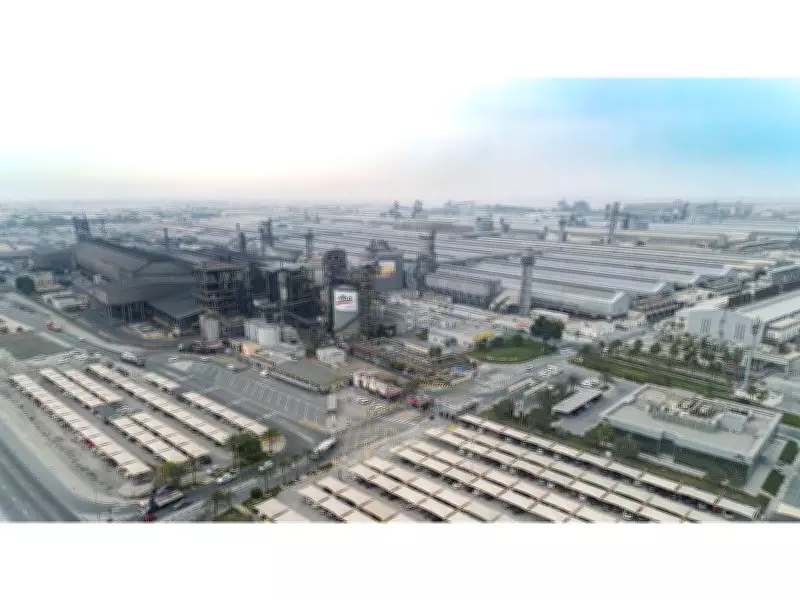
Aluminium Bahrain, a major producer in the Gulf region, has officially confirmed that its industrial facility was targeted in a deliberate attack. The incident resulted in two employees sustaining injuries, though the company has not disclosed the severity of their conditions or the specific nature of the assault. This development has raised significant concerns about security and stability in the area, impacting both local operations and international trade dynamics.
IRGC Claims Responsibility for the Assault
The Islamic Revolutionary Guard Corps (IRGC), a branch of Iran's armed forces, has publicly claimed responsibility for the attack on Aluminium Bahrain's facility. In a statement, the IRGC asserted that the assault was a retaliatory measure, though details regarding the motives or specific targets were not fully elaborated. This claim adds a geopolitical dimension to the incident, potentially linking it to broader regional tensions and conflicts involving state and non-state actors.
Impact on Operations and Regional Security
The attack has prompted Aluminium Bahrain to implement emergency protocols, including heightened security measures and an assessment of operational disruptions. As a key player in the global aluminium market, any halt or slowdown in production could affect supply chains and economic activities in Bahrain and beyond. Authorities are investigating the incident to determine the full scope of the damage and prevent future occurrences, while regional stakeholders monitor the situation for implications on trade and diplomatic relations.

Broader Context of Industrial Attacks in the Middle East
This event is part of a pattern of attacks on industrial and energy facilities in the Middle East, often attributed to geopolitical rivalries and proxy conflicts. Similar incidents in recent years have targeted oil refineries, ports, and manufacturing plants, underscoring vulnerabilities in critical infrastructure. The IRGC's involvement highlights the complex interplay of military, economic, and political factors in the region, with potential repercussions for international security and global markets.