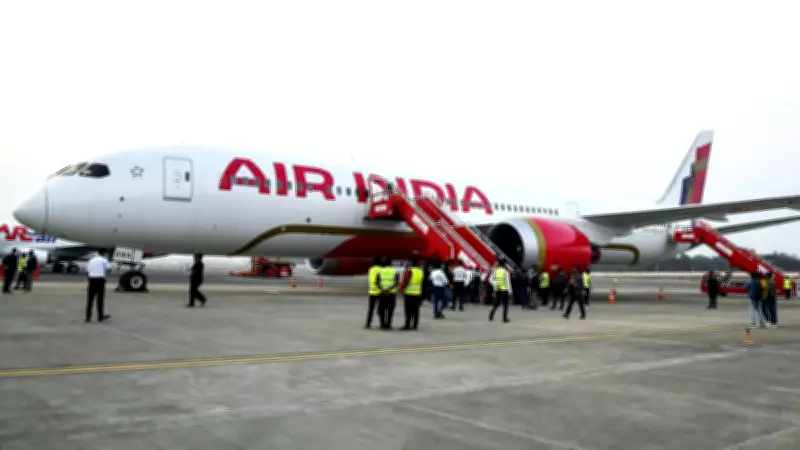
Air India has extended the suspension of its international flights to Israel until the end of July 2026, as the ongoing crisis in West Asia continues to pose security risks. The airline had initially halted services to Tel Aviv following the escalation of tensions in the region, and the latest decision marks a significant extension of the earlier suspension period.
Background of the Suspension
The suspension of flights by Air India began in the wake of the conflict that erupted in October 2023, when militant groups launched attacks on Israel, leading to a full-scale military response. Since then, several international carriers have either suspended or reduced their operations to and from Israel, citing safety concerns for passengers and crew. Air India, which operated direct flights from Delhi and Mumbai to Tel Aviv, was among the first to announce a temporary halt.
Impact on Travelers
Travelers who had booked tickets on Air India flights to Israel have been offered alternatives, including full refunds or rebooking on other routes. The airline has advised passengers to check its official website or contact customer support for further assistance. The extended suspension is likely to affect not only tourists but also business travelers and members of the Indian diaspora who frequently travel between the two countries.

Security Assessment
The decision to extend the suspension was made after a thorough security assessment by Air India, in coordination with Indian and Israeli authorities. The airline stated that the safety of its passengers and crew remains the top priority, and operations will resume only when the situation in the region stabilizes. The ongoing conflict in Gaza, along with heightened tensions along Israel's borders, has made it challenging for airlines to ensure safe operations.
Regional Context
The West Asia crisis has had a ripple effect on air travel across the region. Several countries have issued travel advisories, warning their citizens against non-essential travel to Israel and neighboring areas. The United Nations and international mediators have been pushing for a ceasefire, but a lasting resolution remains elusive. The extension of flight suspensions by Air India reflects the uncertainty that continues to prevail in the region.
Industry Response
Other airlines, including foreign carriers, have also taken similar steps. Some have rerouted flights to avoid conflict zones, while others have suspended operations entirely. The aviation industry has been closely monitoring the situation, with many experts predicting a prolonged disruption to air travel in the region. Air India's decision to extend the suspension until July 2026 suggests that the airline does not foresee a quick resolution to the crisis.
Future Prospects
Air India has indicated that it will continue to review the situation on a regular basis and will announce any changes to the suspension period as necessary. The airline is also exploring alternative routes and measures to resume operations safely when conditions permit. In the meantime, passengers are urged to stay informed through official channels and make alternative travel arrangements if needed.
The extended suspension underscores the severity of the West Asia crisis and its far-reaching impact on global aviation. As the situation evolves, Air India remains committed to ensuring the safety of its passengers while navigating the complexities of international travel in a conflict zone.