Afghanistan-Pakistan Border Conflict Intensifies with Military Strikes
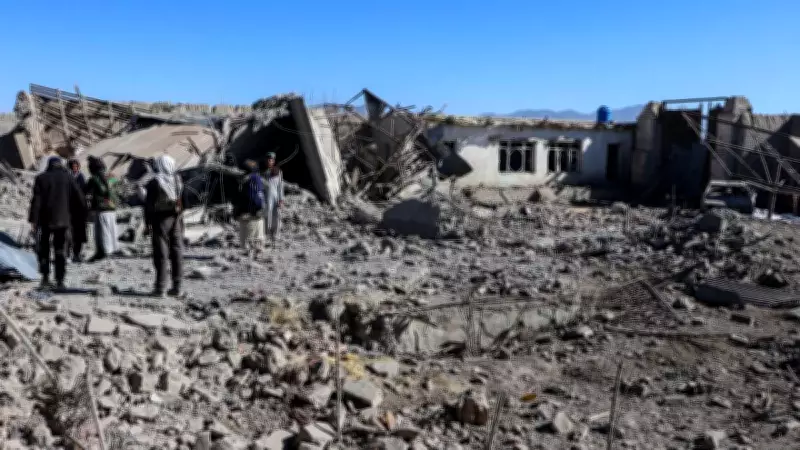
The longstanding border tensions between Afghanistan and Pakistan have escalated dramatically in recent days, resulting in significant casualties and military engagements. Reports indicate that a series of airstrikes, allegedly conducted by the Pakistan Air Force, have targeted areas in Afghanistan, including the cities of Kabul and Kandahar. These strikes have led to numerous casualties, though exact figures remain unconfirmed as the situation develops rapidly.
Military Actions and Casualty Reports
According to live updates from the region, the conflict has seen the deployment of advanced military assets, including F-16 jets by Pakistan. The airstrikes are reported to have caused substantial damage and loss of life in Afghan territories, with local sources describing scenes of chaos and emergency responses. The Taliban, which currently governs Afghanistan, has been actively involved in the situation, with its forces reportedly responding to the attacks and assessing the impact on civilian populations.
Key developments include:

- Airstrikes by Pakistan targeting multiple locations in Afghanistan, leading to unverified casualty counts.
- Involvement of the Taliban in managing the aftermath and potential retaliatory measures.
- Statements from Pakistani officials, including Prime Minister Shehbaz Sharif and Defense Minister Khawaja Asif, addressing the conflict.
Political Responses and Regional Implications
On the political front, Pakistani leadership has commented on the escalating conflict. Prime Minister Shehbaz Sharif has emphasized Pakistan's right to defend its borders, citing security concerns. Meanwhile, Defense Minister Khawaja Asif has outlined the strategic rationale behind the military actions, pointing to cross-border threats. The Taliban government in Afghanistan has condemned the strikes, calling them an act of aggression and vowing to protect Afghan sovereignty.
This conflict underscores the fragile security dynamics in South Asia, with potential implications for regional stability and international relations. The use of airstrikes and advanced aircraft like F-16s highlights the militarized nature of the dispute, raising concerns about further escalation and humanitarian impacts.
Ongoing Updates and Future Outlook
As the situation unfolds, live updates continue to provide new details on casualties, military movements, and diplomatic efforts. The international community is closely monitoring the conflict, with calls for de-escalation and peaceful resolution. Analysts warn that prolonged hostilities could exacerbate existing tensions and affect broader geopolitical alignments in the region.
In summary, the Afghanistan-Pakistan border conflict has entered a dangerous phase with airstrikes causing casualties and drawing in key political figures. The involvement of the Taliban and the use of sophisticated military equipment add layers of complexity to this ongoing crisis.