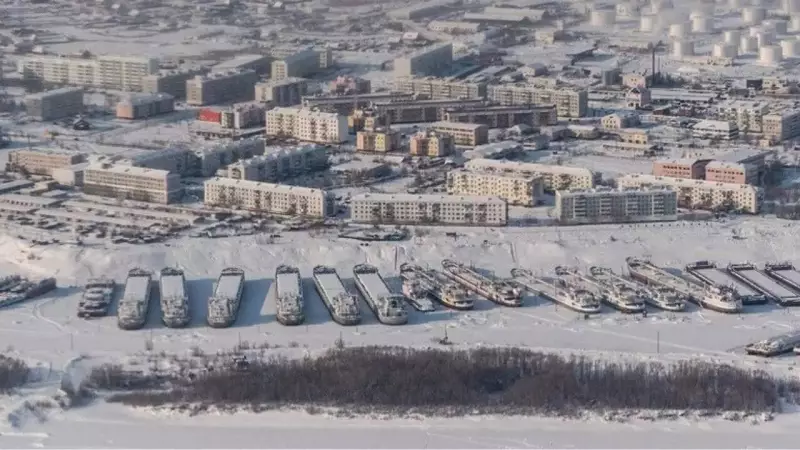
Yakutsk's Permafrost Foundation Faces Unprecedented Thawing Crisis
In the remote reaches of eastern Siberia, where winter temperatures routinely plunge below −40°C, the city of Yakutsk stands as a testament to human resilience in extreme conditions. Built upon a foundation of permafrost—ground that has remained frozen for millennia—this urban center now confronts a silent but profound transformation beneath its streets and structures.
The Changing Ground Beneath Siberia's Coldest Metropolis
For generations, Yakutsk's permafrost provided a remarkably stable base for homes, roads, and public infrastructure across the Sakha Republic. This frozen foundation allowed the city to flourish in one of Earth's most inhospitable environments, supporting a population that has learned to thrive where few would dare to settle permanently.
That fundamental assumption of stability is now being tested by rising temperatures that are gradually warming the frozen soil beneath the urban landscape. As seasonal thaw increases and ground stability weakens, engineers, scientists, and residents are witnessing firsthand the consequences of this environmental shift.

Engineering Solutions Meet Environmental Challenges
Yakutsk's original construction methods were specifically designed for permanent cold conditions. Understanding that permafrost could melt if heated, builders never placed structures directly on the ground. Instead, they employed an innovative approach using piles or stilts driven deep into the frozen soil.
This architectural strategy allowed cold air to circulate beneath buildings, maintaining ground solidity through decades of Siberian winters. Similar techniques have been implemented across Siberia and other Arctic regions, representing essential engineering wisdom for preventing rapid thaw beneath human settlements.
Visible Consequences of Uneven Thawing
Permafrost does not melt uniformly or predictably. As temperatures gradually rise, ice within the soil thaws at varying rates, causing the ground to lose structural integrity and settle unevenly. In Yakutsk, this process has manifested in visible stress on numerous structures throughout the city.
Engineering reports indicate increased maintenance requirements, foundation adjustments, and in some limited cases, buildings being declared unsafe for continued habitation. The infrastructure network faces similar challenges, with roads deforming and underground utilities experiencing strain as shifting ground places unexpected pressure on pipes and surfaces designed for stable conditions.
Residential Realities: Homes Under Pressure
For residents in affected areas, the thawing permafrost translates to tangible domestic concerns. Homeowners report cracking walls, sloping floors, and doors that no longer align properly—physical manifestations of the ground's changing character beneath their daily lives.
City authorities conduct regular building inspections and reinforce foundations where possible, but long-term solutions remain costly and complex. Relocation presents its own challenges, as Yakutsk serves as a regional economic and cultural hub. Moving away would mean sacrificing access to employment, education, and services that remain scarce elsewhere in northern Siberia.
Beyond Infrastructure: What Thawing Permafrost Releases
The significance of permafrost extends beyond its structural role. This frozen ground preserves organic material—including plant matter and microorganisms—sometimes for tens of thousands of years. As thawing accelerates, scientists are studying how the release of ancient bacteria, greenhouse gases, and other materials might affect ecosystems and public health.
While documented cases of disease directly linked to thawing permafrost remain rare, researchers consider the region an important site for understanding future environmental risks across the Arctic. The potential consequences extend far beyond Yakutsk's city limits, touching global climate systems and ecological balances.
Why Residents Remain Despite Growing Challenges
Despite these mounting difficulties, Yakutsk continues to grow and adapt. For many residents, adjusting to changing ground conditions feels more realistic than abandoning a city that anchors their livelihoods, communities, and cultural identities.

Innovation is emerging as a response to these environmental pressures. New construction methods, advanced monitoring systems, and creative engineering strategies are being tested and implemented to extend the city's lifespan under warming conditions, demonstrating human adaptability in the face of planetary change.
A Warning Beneath the Surface with Global Implications
Yakutsk's situation is not unique. Across the Arctic, towns and cities built on permafrost face similar pressures as temperatures continue to rise. What makes Yakutsk particularly significant is its size and visibility as a major urban center confronting these challenges directly.
The city offers a clear, present-day example of how climate change affects not just weather patterns and ice formations, but the very ground beneath human settlements. Built on frozen earth rather than solid land, Yakutsk demonstrates how deeply environmental transformation can reshape the foundations of civilization, serving as both a case study and a cautionary tale for communities worldwide facing climate-related challenges.